HOA Navigation for Real Estate Agents: Red Flags, Document Requests, and Buyer Scripts
HOA Navigation for Real Estate Agents
Red Flags, Document Requests, and Buyer Scripts
A due diligence briefing for agents who want to spot HOA financial risk, explain association rules clearly, and keep buyers calm before closing pressure takes over.

HOA navigation protects closings before surprises become disputes
HOA navigation for real estate agents means ordering the right association documents early, reading the financial and rule signals that can affect financing or future costs, and giving buyers plain-English guidance while there is still time to negotiate, pause, or walk away.
- Start HOA due diligence before the contract timeline gets tight, especially for condos, townhomes, gated communities, and properties with rental restrictions.
- Prioritize budgets, reserve studies, insurance summaries, meeting minutes, CC&Rs, resale packages, and estoppel certificates because those documents reveal the real risk profile.
- Use neutral scripts that explain documents and timing without giving legal, lending, accounting, or Fair Housing advice.
- Turn repeat HOA questions into searchable buyer education, neighborhood authority content, email follow-up, direct mail, and listing support.
Why HOA Clarity Wins Client Confidence
HOA problems rarely arrive as one dramatic surprise. They usually show up as a small delay, one missing document, one vague board minute, or one fee the buyer did not expect. Then the buyer starts wondering what else has been missed. That is why HOA navigation is not paperwork. It is risk management.
A real estate agent who can explain the document path, the financial signals, and the buyer’s next decision earns a different kind of trust. You are no longer just opening doors. You are showing clients where the friction could appear before it becomes expensive.
That trust also becomes marketing leverage. HOA clarity can live on your website, inside your buyer consultation, in your listing presentation, and through Email Marketing for Real Estate Agents. The agent who teaches the process before anxiety hits becomes the obvious choice when buyers compare options.
- You reduce late-stage cancellations by moving HOA review earlier in the transaction.
- You give analytical buyers a clean way to understand dues, reserves, insurance, rules, and timelines.
- You help sellers package HOA facts before objections weaken buyer confidence.
- You create practical content that can rank for neighborhood and buyer due diligence questions.
The HOA Due Diligence System
The best HOA process is not complicated. It is simply consistent. Before a buyer falls in love with the pool, clubhouse, gate, walking trail, or exterior maintenance package, your system should already be collecting the documents that reveal whether the association is stable.
Start with intake. Confirm the association name, management company, dues amount, what dues include, resale package process, estoppel process, rental rules, pet rules, parking rules, litigation status, and expected document delivery timeline. These answers tell you where the transaction may slow down.
Order early and document the clock
Request the resale package, budget, year-to-date financials, insurance summary, reserve study, rules, meeting minutes, and estoppel certificate as early as the contract allows.
Capture the request date, payment receipt, expected delivery date, responsible party, and follow-up owner so the review window does not collapse silently.
Look for the money story
Read reserves, delinquencies, insurance, dues changes, and upcoming projects together. One weak signal may be manageable. Several weak signals create a negotiation and financing risk.
Compare the reserve study to actual cash and board minutes. The gap between plan and funding is where many special assessment conversations begin.
Match rules to the buyer’s plan
Rental caps, minimum lease terms, short term rental limits, pet rules, parking restrictions, architectural approvals, and right of first refusal clauses can change the usefulness of the property.
Your role is to flag the friction points and route interpretation to legal counsel when the answer requires legal judgment.
Most agents judge an HOA by dues and amenities. The stronger signal is whether the association has enough money and insurance to support the reserve study schedule. If a major component fails this year, clients need to know whether the HOA has a funding path or whether owners may be asked to fill the gap quickly.
The HOA Financial Health Matrix
This matrix turns vague concern into a faster buyer conversation. Use it during the contingency window so buyers understand what is ordinary, what needs a lender question, and what deserves legal review.
| Indicator | Healthy benchmark | Warning sign | Critical red flag |
|---|---|---|---|
| Reserve funding | Strong alignment to reserve study schedule | Underfunded with a credible catch-up plan | Deferred projects with no funding path |
| Delinquencies | Low delinquency and stable collections | Rising delinquencies and growing past due | Chronic delinquencies affecting the operating budget |
| Insurance | Current master policy with clear coverage | High deductibles or unclear coverage gaps | Lapse, nonrenewal, major exclusions, or lender refusal |
| Litigation | No active litigation disclosed | Disputes that require lender and counsel review | Active litigation that blocks financing or insurability |
Buyer And Seller Scripts That Reduce Panic
Scripts are useful because HOA conversations can become emotional fast. Buyers hear fee, rule, assessment, or board approval and immediately imagine the worst. A disciplined script slows the room down and keeps the conversation grounded in documents.
The pre-tour HOA setup
Agent dialogue
Hook line Before we tour HOA properties, I want you to understand that the documents matter as much as the amenities.
Middle line We will order the package early and review dues, rules, reserves, insurance, and meeting minutes while we still have options.
CTA line Tell me now if renting, pets, parking, exterior changes, or monthly cost limits are important so I know exactly what to verify.
Use this at the buyer consultation before showing condos, townhomes, or master-planned communities.
The anxious buyer reset
Agent dialogue
Opening line Let’s separate rules from rumors and look at the documents that actually control the decision.
Explain line The budget, reserve study, insurance summary, and minutes will tell us whether this is a normal HOA issue or a material risk.
Reassure line If something needs legal or lender review, we will route it to the right professional before the deadline.
Use this when a buyer reacts to an assessment rumor, rental restriction, lawsuit note, or high monthly dues.
The seller disclosure positioning script
Agent dialogue
Hook line Clean HOA information helps buyers feel safer making stronger offers.
Build line I want to package the dues, inclusions, resale process, rules, and known projects so buyers do not feel like they are discovering risk late.
CTA line Let’s collect the documents before we launch so the marketing feels confident instead of defensive.
Pair this with Listing Marketing so HOA clarity becomes a listing advantage instead of a buyer objection.
What To Track So HOA Closings Stay Stable
These are management benchmarks, not promises. Track them so you can see where documents stall, where lenders object, and where buyers lose confidence. Over time, your tracking becomes a better listing prep system and a stronger buyer education system.
| Indicator | Target | Range | Why it matters |
|---|---|---|---|
| Document ETA | Early order | 3 to 14 days | Late documents compress negotiations and raise cancellation risk. |
| Reserve gap | Small gap | 0% to 20% | Large gaps often lead to assessments, deferred maintenance, or buyer hesitation. |
| Loan risk flags | Low risk | 0 to 2 flags | Insurance gaps and litigation can trigger lender review delays. |
| Buyer confidence | Clear next step | Same day follow-up | Fast explanation keeps a manageable document question from becoming a trust problem. |
The 12-Point HOA Document Audit
Use this audit during the review period. It is built to catch the rules that change buyer plans and the financial issues that change negotiations.
- Confirm current dues, what they cover, and any scheduled increases.
- Read rental caps, minimum lease terms, and short term rental restrictions.
- Check pet limits, parking rules, enforcement practices, fines, and towing policy.
- Review architectural rules for exterior changes, remodel approvals, and maintenance duties.
- Verify insurance coverage details and deductibles on the master policy.
- Review the reserve study schedule and identify the top upcoming projects.
- Check delinquency patterns and whether collections are rising.
- Read meeting minutes for deferred maintenance, contractor bids, assessments, and conflict.
- Confirm pending or planned special assessments, even when not yet final.
- Verify litigation status and ask the lender what blocks financing in the area.
- Order and review the estoppel certificate for amounts owed and pending charges.
- Route legal, tax, accounting, and lending interpretation to the proper professional.
HOA clarity is a premium service signal. When clients can see the rules, funding, insurance, and timing early, they feel guided instead of trapped. The agent who creates that feeling becomes easier to trust, easier to refer, and easier to remember.
How HOA Due Diligence Becomes Marketing
Every repeated HOA question is content waiting to be packaged. Buyers search for dues, rental restrictions, pet rules, parking, assessments, insurance, and what a resale package means. Sellers want to know how to present the association without scaring buyers. That is your content lane.
Build one neighborhood page that explains the common HOA questions for that community, then connect it to IDX Real Estate Websites, Social Media Marketing, Direct Mail, Email Campaigns, and Digital Retargeting. The marketing message is simple. You help clients understand the association before they commit.
For automation, use a simple reminder workflow. Day one requests the HOA package. Day three confirms the delivery promise. Day seven checks for missing budget, reserves, insurance, and minutes. That system creates a better client experience and a stronger story for future marketing.
Create short pages and emails that answer what dues cover, what a reserve study means, how rental restrictions work, and what buyers should ask before writing an offer.
Create listing-prep material that explains why clean HOA documents, clear inclusions, and known project notes can reduce buyer fear and support stronger offers.
Mini Case: The $20,000 HOA Surprise
Agent Marcus represented a buyer on a condo with a polished amenity package. While other agents focused on the pool and gym, Marcus requested board meeting minutes and compared them against the reserve study.
He found repeated discussion of roof failure and contractor bids that pointed to a pending $20,000 special assessment. The issue was not presented clearly in the listing. Marcus brought the written evidence into the negotiation and helped secure a $20,000 credit at closing.
After closing, he turned the story into a short article about HOA due diligence, shared it through email, and promoted it to condo owners in the same area. The piece booked three listing conversations because it showed a practical advisory process instead of a vague promise to work hard.
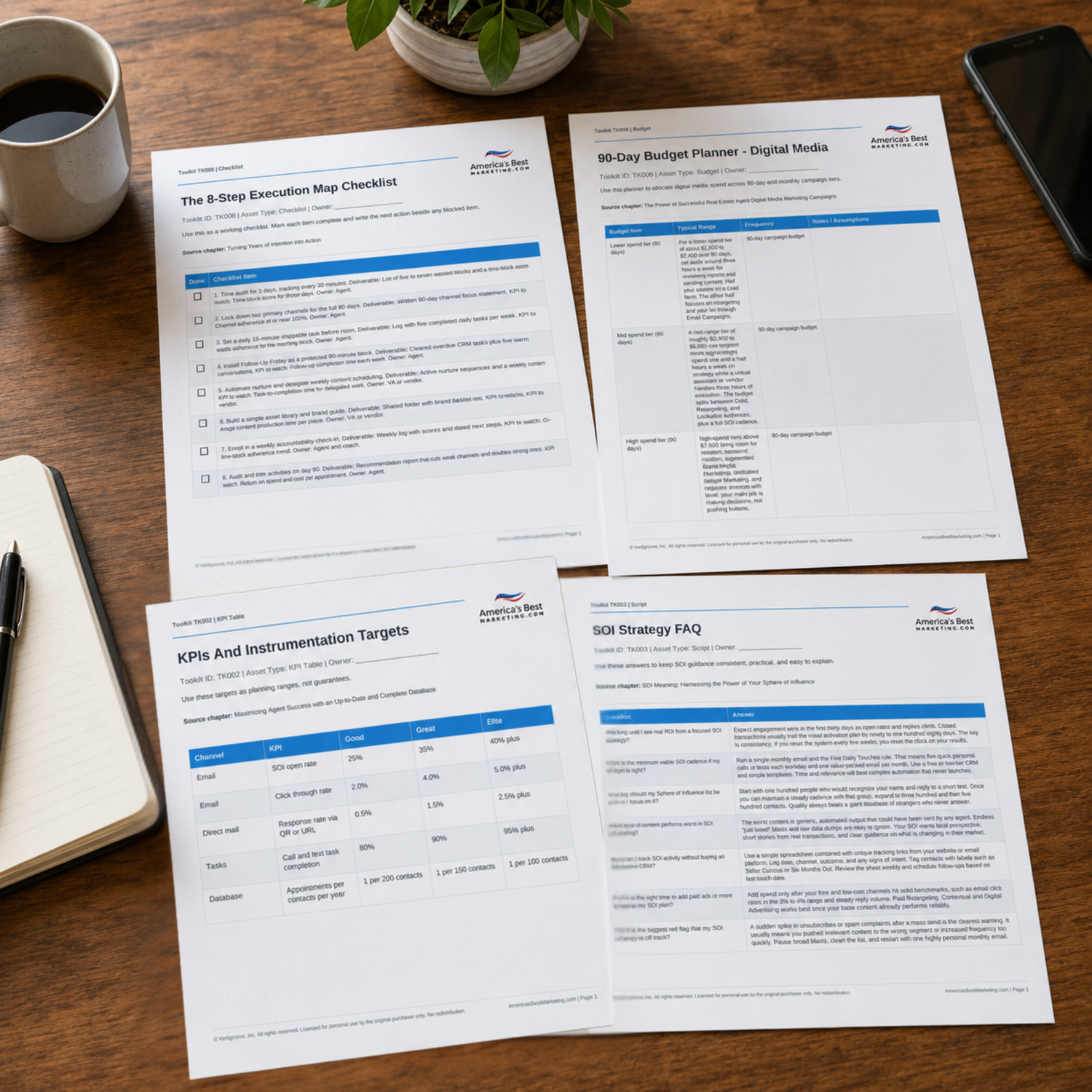
Download The HOA Navigation Toolkit
Use the companion Toolkit to request HOA documents, audit financial red flags, track closing-stability KPIs, and guide buyers and sellers through common HOA questions with calmer scripts.
Download the Toolkit ZIPRecommended reads
Recommended Reads for Real Estate Agents
These articles help agents turn client questions, local guidance, marketing channels, and follow-up into a more useful content system.

Best Real Estate Content Marketing Ideas
Turn local knowledge into searchable content buyers, sellers, and relocation prospects can actually use.
Read article
Escrow Accounts Explained: Simple Agent Talking Points for Buyers and Sellers
Make escrow accounts explained easier to plan, publish, and measure as part of a weekly marketing rhythm.
Read article
Evergreen Content for Real Estate Agents: Build Posts That Rank for Years (and Compound Leads)
Build organic reach with pages and posts that are easier to find, trust, and act on.
Read article
The Top 7 Things to Look For in a Real Estate Marketing Program
Give the top 7 things to look for in a real estate marketing program a clearer role in the marketing system instead of treating the work as a one-off idea.
Read articleHOA Questions Agents Should Be Ready To Answer
Can an HOA prevent me from renting out my property
Yes, many HOAs restrict rentals through caps, minimum lease terms, or bans on short term rentals. Your job is to identify the rule early and confirm how it is enforced, since enforcement can be stricter than buyers expect. If a buyer plans to rent, have them review the exact clause and confirm with legal counsel so there is no surprise after closing.
What happens if a buyer cannot get financing because of an HOA lawsuit
Lenders often flag active litigation, especially in attached housing, because it changes risk and insurability. The result can be denial, delay, or a requirement to switch loan type. Confirm litigation status early, ask the lender what they will accept, and build time into the contract for review. Avoid guesses and route documents to legal and lending pros.
How long does it take to get a resale certificate or resale package
Turnaround varies by HOA and manager. Some deliver within a few business days, others take weeks during peak seasons or when third parties are involved. Treat it like a schedule risk. Order early, get a written delivery estimate, and set follow ups on a calendar. Your goal is to avoid having the documents arrive after the negotiation window is already tight.
What is the major red flag to avoid in HOA financials
A persistent mismatch between reserves and the reserve study schedule is a high value warning sign. It usually shows up as deferred maintenance, repeated talk of big repairs, or frequent fee increases that still do not catch up. Combine that signal with delinquencies and insurance problems and you have a clear risk profile. When in doubt, advise clients to involve legal counsel.
What documents should I prioritize if time is tight
Start with the budget, year to date financials, reserve study, insurance summary, and meeting minutes. Those five items usually reveal funding gaps, upcoming projects, coverage issues, and board decisions. Then pull the specific CC&R clauses that affect the buyer’s plan, like rental limits or pet rules. If you must choose, pick documents that affect financing and total cost first.
How should I talk about HOA approval processes without compliance risk
Keep the language focused on rules, timelines, and documents, not people. Never imply an HOA can screen buyers based on personal characteristics or that an agent can predict outcomes for any protected class. Use neutral phrases like application process, document review, and timeline. When clients have concerns, recommend they consult legal counsel and keep your guidance inside Fair Housing boundaries.
Should a real estate agent interpret HOA documents for a client
No, agents are not attorneys or accountants. Your role is to gather documents, highlight practical friction points, and explain process and timing. For legal interpretation, enforceability, and financial risk assessment beyond basic review, clients should consult legal counsel and their lender. This approach protects the client and protects you, while still positioning you as the Financial Bodyguard who runs clean due diligence.
Next step
Build the System Behind the Advice
Continue from one useful article into the larger ABM ecosystem: the book series for strategic depth and the full marketing program for done-for-you execution.

View the Book Series
Explore the America’s Best Real Estate Agent Marketing System books for a deeper strategic framework around visibility, referrals, listings, lead generation, and growth.
View the Book Series
See Full Marketing Program
See how AmericasBestMarketing.com runs real estate blog writing, social media, listing marketing, email, direct mail, and retargeting as one managed system.
See Full Marketing Program