Selling Historic Homes: Positioning, Disclosures, and Marketing Angles for Real Estate Agents
Selling Historic Homes With Confidence
Positioning, Disclosures, and Marketing Angles for Real Estate Agents
A field briefing for agents who want to turn historic-home uncertainty into verified provenance, clear disclosure, stewardship positioning, and a stronger listing launch.

Turn Historic-Home Uncertainty Into Buyer Confidence
To sell a historic home, build a provenance audit, prepare a heritage disclosure packet, identify local approval rules, write source-based listing copy, and launch the property through a consistent mix of email, direct mail, social content, retargeting, and follow-up. The strategic shift is simple: sell stewardship with proof instead of selling age with adjectives.
- Historic homes sell best when buyers can separate verified facts from romance, assumptions, and open questions.
- Designation status, local review rules, easements, and renovation limits should be clarified before the first serious showing.
- Strong listing copy treats the buyer as the next steward and uses architectural details that can be supported by sources.
- The right campaign gives buyers repeated, calm touchpoints before uncertainty becomes the reason they walk away.
Why Historic Listings Need A Stewardship Frame
Historic listings do not fail because they are old. They fail because buyers fear surprises and sellers fear being misunderstood. Your job is to reduce uncertainty while preserving the emotional value that makes the property special.
That requires a pivot from ordinary residential marketing to a curated heritage model. The work is part positioning, part documentation, and part buyer education. It also requires discipline because designations, preservation easements, and local review rules vary by jurisdiction.
The best historic-home marketing does not ask buyers to fall in love blindly. It gives them a story, a verification path, and a calmer way to evaluate risk. When those pieces are organized, age becomes provenance, restrictions become clarity, and preservation becomes a premium value signal.
- Position the property as stewardship, not a weekend project.
- Replace vague charm language with verified facts and source notes.
- Turn restrictions into clarity before buyers start imagining worst-case scenarios.
The Heritage Listing Operating System
You are not a historian, architect, attorney, or preservation officer, and your copy should not pretend otherwise. Your role is to gather credible sources, organize them cleanly, and direct buyers to the right professionals or local authorities for verification.
Start with three concepts that control buyer psychology: National Register recognition, local district or landmark rules, and preservation easements. National Register status can signal prestige, but local overlays and recorded agreements are often where approvals, design review, and renovation limitations become practical buyer questions.
The Provenance Audit
Build the story from county recorder documents, prior listing archives, local historical society notes, old permits, and a simple timeline of ownership and major upgrades.
A one-page provenance summary beats a long paragraph of atmosphere because it gives buyers a source trail they can trust.
The Disclosure Shield
Create a heritage disclosure packet beside your standard disclosures. Include designation status, local commission contact information, known easements, and common approval triggers.
Separate verified facts from open questions so the buyer knows where certainty ends and professional review begins.
The Narrative Blitz
Launch Listing Marketing that frames the buyer as the next steward.
Lead with architectural identity, craftsmanship details, verified history, and the lifestyle value of intact period features.
The Targeted Reach
Use Direct Mail for Real Estate Agents, email, social content, and retargeting to reach neighborhood loyalists and preservation-minded buyers.
Historic buyers often need multiple exposures before they schedule, so cadence becomes part of the value proposition.
Most historic deals die on perceived restriction, not age. Reduce that fear early by showing a clear approval path, a short list of preservation-friendly contractor categories, and a simple way to confirm incentive or tax-credit eligibility before the buyer reaches contract stage.
Messaging That Sells Stewardship Without Scaring People
Historic buyers want romance, but they buy with logic. Your listing copy should read like a curator wrote it: specific, sourced, and calm. Avoid fixer language unless the home is truly a rehabilitation project and the seller is prepared for that value frame.
Use headlines that signal identity and stewardship. Add the neighborhood or district name when you can verify it. Lead with the architectural style and one hook detail a preservation buyer will recognize immediately.
The stewardship opportunity
Listing headline
Hook lineThe Stewardship Opportunity: Owning the Alder Street Estate
Build lineUse this when the property has strong provenance, visible original features, and a seller who values preservation.
CTA lineRequest the heritage disclosure packet before your private walkthrough.
The angle works because it makes the buyer feel selected for responsibility, not burdened by rules.
The preserved masterpiece
Listing headline
Hook lineA 1920s Masterpiece Preserved for a New Era
Build lineUse this when the home has intact millwork, period hardware, masonry, transom windows, or documented renovations.
CTA lineView the provenance summary and schedule a preservation-focused showing.
Specific details improve buyer confidence and keep the copy from drifting into unsupported claims.
The district value story
Listing headline
Hook lineWhy the Old Town District Holds Value When the Market Turns
Build lineUse this when the location, neighborhood identity, and preservation context are central to the buyer decision.
CTA lineAsk for the district overview before writing your offer.
Never bury restrictions. Buyers do not mind rules they understand. They hate rules they discover late.
Budgets And Creative Briefs You Can Actually Run
A historic listing campaign needs enough repetition to move the buyer from attraction to confidence. That does not always require a huge budget, but it does require a clear audience split, a short creative brief, and follow-up rules that treat packet requests as real buying signals.
Spend $450 to $750 per month for 45 days. Run two email sends, one mail drop, and six social posts using seller-provided assets.
Split the audience between local move-up buyers and preservation-interest prospects. Cap frequency at two to four impressions per day for paid awareness.
Spend $1,250 to $2,500 per month for 60 days. Run four email sends, two mail drops, ten social posts, and one retargeting audience refresh each week.
Split the audience between local buyers and regional preservation buyers. Cap retargeting frequency at three to six impressions per day.
Stewardship value angle
Goal: create confidence before the showing. Audience: preservation-minded buyers who fear restrictions.
Creative: a clean carousel of original details plus a disclosure preview. CTA: request the heritage disclosure packet.
Incentive and clarity angle
Goal: turn rules into a plan. Audience: high-intent buyers comparing modern versus historic homes.
Creative: a one-page timeline, a one-page approval map, and contractor categories. CTA: book a private walkthrough and Q and A.
Use a three-level call-to-action path so readers can self-select based on readiness. The soft CTA is a historic home maintenance checklist. The mid CTA is a heritage listing search through an IDX real estate website. The hard CTA is a listing marketing strategy session before the property goes live.
Historic Designation Versus Marketing Impact
This quick translation table helps buyers understand why one historic label feels flexible while another may require more review. Always confirm details locally because design review and incentive programs vary by jurisdiction.
| Type | Rules | Credits or incentives | Buyer view |
|---|---|---|---|
| National Register | Often limited unless local rules apply. | Verify locally before advertising any range. | Signals prestige and history with fewer day-to-day approval concerns. |
| Local Landmark | Exterior changes may require review. | Potential programs vary by city, county, and state. | Feels protected and authentic, but buyers want process clarity. |
| Unlisted Vintage | Standard rules plus seller disclosures. | No historic incentive should be assumed. | Feels flexible, with value tied to condition and intact original details. |
The 10-Point Heritage Listing Audit
Run this audit before you publish the listing. It keeps surprises out of escrow and keeps your positioning consistent. When you do not know an answer, mark it as unknown and direct the buyer to the right authority for verification.
- Confirm designation type and the governing body name.
- Check for recorded preservation easements and deed restrictions.
- Collect a simple ownership timeline with source notes.
- List the top five original features still present.
- List the top three modernization upgrades already completed.
- Document known approval triggers in plain language.
- Build contractor categories for masonry, plaster, millwork, windows, and specialty inspections.
- Prepare the heritage disclosure packet and make it available before showings.
- Write listing copy using architectural keywords buyers actually search for.
- Set a marketing cadence and follow-up rule for every inquiry.
Mini Case Pattern You Can Borrow
Agent Julianna represented a 1790s Federal-style home that sat because buyers feared the local commission. She rebuilt the listing around a stewardship model: a provenance summary, a clear approval map, and a simple explanation of what changes typically require review.
Her marketing leaned on verified architecture details and a calm disclosure preview, not vague charm language. She mailed a short briefing to nearby preservation buyers and followed up with a packet request workflow.
The home received an all-cash offer within 21 days, and the final price set a new price-per-square-foot benchmark for the district. The lesson is consistent: heritage becomes a premium feature when uncertainty is removed and the story is presented like a curated asset.
Historic deals are touchpoint heavy, so the follow-up system matters as much as the listing launch. Build the client communication map with the same discipline you would use in Your Brand is Built on Every Interaction.
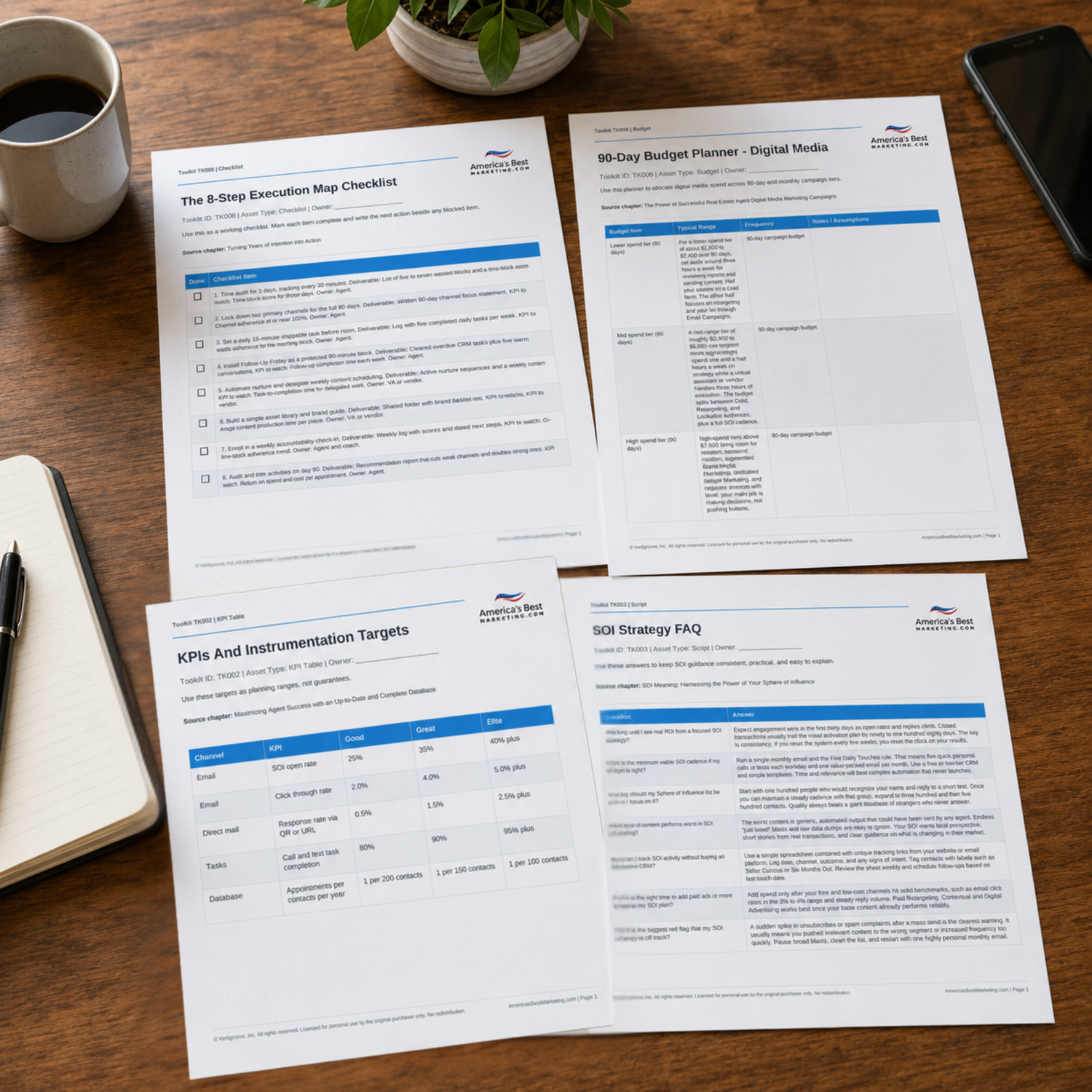
Download The Historic Home Listing Toolkit
Use the companion Toolkit to prepare the provenance audit, heritage disclosure packet, designation impact table, budget plan, buyer response guide, and launch workflow for historic home listings.
Download the Toolkit ZIPRecommended reads
Recommended Reads for Real Estate Agents
These articles help agents connect listing visibility, seller education, marketing channels, and follow-up into a clearer growth system.

The A-to-Z of Buying and Selling Waterfront Properties
Make listing promotion feel planned instead of improvised, from pre-market to post-sale follow-up.
Read article
Best Real Estate Content Marketing Ideas
Turn local knowledge into searchable content buyers, sellers, and relocation prospects can actually use.
Read article
Tax Benefits of Investment Property: Real Estate Agent Talking Points + Investor Content Angle
Make tax benefits of investment property more useful by tying the message, audience, and next step together.
Read article
Navigating the Market for Multi-Family Homes
Use the market for multi-family homes to create a stronger bridge between client education and real conversations.
Read articleHistoric Home Listing Questions Agents Should Be Ready To Answer
What are the rules for selling a home on the National Register of Historic Places?
National Register listing is federal recognition, and it does not automatically restrict private owners in many cases. Restrictions usually show up through local districts, local landmark rules, preservation easements, or permit requirements. Confirm designation and applicable local oversight, then give buyers a clear verification path through the local commission, planning office, or qualified advisor.
Do historic homes take longer to sell?
They can when the marketing creates uncertainty. Buyers hesitate when they fear hidden costs, unclear approval rules, or unknown maintenance risk. Historic homes move faster when the listing includes a clean disclosure packet, verified architecture details, consistent follow-up, and early answers to common restriction questions.
What is a preservation easement and why does it matter?
A preservation easement is a recorded legal agreement that limits certain changes to protect historic character. It matters because it can affect renovations, exterior alterations, materials, and buyer plans. If an easement exists, include the summary and holder contact in the heritage packet before the buyer reaches contract stage.
What should be inside a heritage disclosure packet?
Include designation type, governing body contact, known easements, common approval triggers, an ownership and improvement timeline, and a short list of specialized contractor categories. Add source notes so buyers know what is verified, what remains unknown, and who can confirm the details.
What is the minimum viable budget for historic home marketing?
Plan for at least $450 to $750 per month during the first 45 days so the listing has enough cadence to build confidence. A lean mix can include two email sends, one mail drop, weekly social posts using seller-provided assets, and a response-time rule for every packet request or showing inquiry.
What is the major red flag to avoid in a historic listing?
The biggest red flag is hiding restriction risk, even unintentionally. Buyers can forgive maintenance, but they do not forgive late surprises about approvals or alteration limits. Avoid casual promises such as easy renovations or no restrictions unless they can be verified by the proper authority.
How do I use architectural keywords without sounding fake?
Use an architectural style only when visible characteristics or credible sources support it. Tie the keyword to concrete details such as roofline, porch columns, windows, millwork, floor plan cues, masonry, hardware, or documented history. Specific language improves buyer confidence and keeps the copy from drifting into unsupported claims.
Next step
Build the System Behind the Advice
Continue from one useful article into the larger AmericasBestMarketing.com ecosystem: the book series for strategic depth and the full marketing program for done-for-you execution.

View the Book Series
Explore the America’s Best Real Estate Agent Marketing System books for a deeper strategic framework around visibility, referrals, listings, lead generation, and growth.
View the Book Series
See Full Marketing Program
See how AmericasBestMarketing.com runs real estate blog writing, social media, listing marketing, email, direct mail, and retargeting as one managed system.
See Full Marketing Program