FHA vs Conventional Loans: Real Estate Agent Talking Points + Content Ideas That Convert
FHA vs Conventional Loans
Talking Points and Content Ideas That Convert
A buyer-finance briefing for real estate agents who want to explain loan-path tradeoffs clearly, capture high-intent buyer traffic, and turn early mortgage questions into a follow-up system.

FHA vs Conventional Loans explained for agents
FHA vs Conventional Loans is a buyer education opportunity, not a loan product argument. Agents should explain the tradeoffs around credit profile, down payment, mortgage insurance, debt to income, and property standards, then route buyers to a licensed lender for exact eligibility, rates, and payments. The marketing advantage comes from turning that explanation into a page, lead magnet, video series, and nurture sequence that captures buyers before they are ready to book showings.
- Loan education works best when agents teach the decision tree and let licensed lenders confirm exact numbers.
- FHA may help buyers with more credit friction, while Conventional can reward stronger credit, cleaner debt ratios, and equity planning.
- The strongest content asset is a simple comparison chart supported by a glossary, short scripts, and a lender handoff workflow.
- Traffic is not the finish line. The business KPI is form submits, lender introductions, consult requests, and showings scheduled from financing content.
Why This Buyer Question Pays Off
Buyers search FHA vs Conventional Loans before they trust anyone with a showing. That search usually carries anxiety: Can I qualify? Do I need 20 percent down? Will imperfect credit embarrass me on a lender call? When an agent answers those questions in plain language, the agent becomes the first safe step instead of the last person contacted after the buyer has already picked a lender, a portal, and a price range.
Mastering the conversation turns a confusing money topic into an authority asset. You can explain down payments, mortgage insurance, debt to income, and property standards without pretending to be the lender. That creates useful boundaries: the agent teaches the map, the lender confirms the numbers, and the buyer shops with less fear.
The commercial outcome is straightforward. You stop handing off early research traffic and start capturing it. Build a Buyer Finance Series that routes readers into a financing cheat sheet on your website, then expand the same message into short video posts, email follow-up, and retargeting that demystify affordability and next steps.
The Comparison Framework You Can Teach
FHA vs Conventional Loans is not a debate about which loan is better. It is a sorting system for buyer profiles: credit strength, cash on hand, timeline, debt load, and the condition of the homes the buyer wants to tour. Your job is to make the decision tree clear enough that the buyer can have a more productive lender conversation.
Buyers do not need a rate quote from you. They need a map that prevents wasted showings, false hope, and awkward lender calls. Start with four concepts and cover them in the same order every time so your explanation becomes easy to repeat in consults, blogs, short videos, and email.
- Mortgage insurance: FHA uses Mortgage Insurance Premium, called MIP. Conventional uses Private Mortgage Insurance, called PMI, when the buyer puts down less than 20 percent.
- Debt to income: Debt to income, called DTI, is the percent of gross monthly income that goes to debt payments.
- Down payment minimums: FHA often starts at 3.5 percent down. Conventional can start around 3.0 percent for some first time buyers, depending on the program and qualification.
- Property standards: FHA appraisals tend to focus more on safety and habitability. Conventional appraisals focus on value and basic condition, but still require a livable home.
Most agents overlook that FHA vs Conventional Loans is a primary entry point for first time buyer research. Strong operators use that friction to earn trust with a side by side total cost view before the first showing. The trust lift comes from solving the buyer’s first anxiety: can I afford this without feeling exposed on a lender call?
Scripts That Keep The Conversation Clear
Scripts matter because loan conversations can drift into territory agents should not own. Use precise language that explains mechanics, protects the buyer from guessing, and hands off exact numbers to a licensed lender.
The 60 second buyer consult opener
Agent dialogue
Hook lineWe are comparing two paths: one that may tolerate more credit friction, and one that may reward stronger credit.
Middle lineWe will look at cash down, monthly payment comfort, mortgage insurance, and property standards so you know the real tradeoffs.
CTA lineThen we get exact numbers from a licensed lender and shop with confidence.
Use this before showings so the buyer understands why the loan path can change which listings are worth chasing.
The mortgage insurance explanation
Agent dialogue
Hook lineMortgage insurance buys access to the loan with less cash down.
Build lineThe trade is a higher monthly cost until enough equity builds, loan terms change, or refinancing makes sense.
CTA lineAsk your lender to show both scenarios at the same purchase price so the monthly difference is obvious.
This is ideal for a short video, carousel, or buyer FAQ email because it turns jargon into a simple cost tradeoff.
The lender handoff
Agent dialogue
Opening lineI can explain the options at a high level, then we will get exact numbers from a lender.
Explain lineThat keeps you from wasting time touring homes that do not pencil after taxes, insurance, and mortgage insurance.
CTA lineOnce the lender runs both scenarios, we will pick a payment comfort range and build the search around that.
Track the handoff as a pipeline stage: opt in, lender intro, pre approval in hand, showing scheduled.
The Loan Explainer Content Engine
A loan explainer is not one post. It is a content engine that turns one big question into a month of micro content, a lead magnet, and a follow-up sequence. Build it in four phases so you can ship fast, measure, and improve without guessing.
Create a one page Financing Cheat Sheet PDF and host it on IDX Real Estate Websites. Keep it two columns with a short glossary for MIP, PMI, DTI, and reserves. Add one disclaimer line: for exact eligibility and payments, consult a licensed lender.
Publish a four week script series through Social Media Marketing. Each week covers one myth and one decision rule, then routes viewers to the cheat sheet with the same call to action.
Put a small budget behind the page using Digital Retargeting. Target visitors to the FHA vs Conventional Loans article and the cheat sheet page, not the entire market.
Introduce a preferred lender as a service step, not a referral grab. Then use Email Marketing for Real Estate Agents to nurture buyers who are repairing credit, saving cash, or waiting for the right home.
End every post with one micro CTA: download the loan comparison chart and ask your lender to run both scenarios with the same purchase price. Consistency matters because buyers need the same calm instruction more than they need a new angle every day.
Creative Angles You Can Reuse Across Channels
Most loan content fails because it sounds like a brochure. Your content should sound like a calm operator who wants to save the buyer time. Use these headlines and captions across short videos, carousel posts, email subject lines, and landing page sections.
- FHA vs Conventional Loans: which one matches your credit and cash position right now.
- The 3 percent down myth: what buyers miss in the monthly payment.
- MIP vs PMI explained without lender jargon.
- Can you buy with imperfect credit? The decision tree that matters.
- Fixer upper warning: which loan rules can kill a deal fast.
- Stop shopping at your max pre approval. Use a payment comfort range.
- The two scenario rule: run FHA and Conventional before your first showing.
Download the loan comparison chart and bring it to your lender conversation.
Ask for a custom monthly payment estimate from a licensed lender before you tour homes.
Loan Product Comparison And KPI Table
Use this table as a script outline for buyer calls and listing tours. Do not treat it as lending advice. Every buyer should confirm specifics with a licensed lender.
| Feature | FHA Loan | Conventional Loan | Marketing Angle |
|---|---|---|---|
| Minimum down payment | 3.5 percent | 3.0 percent for some first time buyers | Low entry barrier without waiting years |
| Credit score flexibility | Higher tolerance with lender overlays | Often prefers stronger credit profiles | Credit recovery path with a plan |
| Mortgage insurance | MIP can last longer depending on terms | PMI can be removable once equity builds | Long term wealth planning and exit options |
| Property standards | Stricter safety and habitability checks | Standard appraisal focus on value | Listing prep, repairs, and deal risk |
Now turn the table into a lead magnet. Export it as a one page PDF, add a short glossary, and place it above the fold on your financing page. That is where most agents leave money on the table.
| Metric | Weekly Signal | Decision Rule | What To Improve |
|---|---|---|---|
| Article sessions | Traffic to the FHA vs Conventional page | If traffic rises and leads stay flat, the offer is weak. | Move the cheat sheet CTA higher and simplify the form. |
| Form submits | Cheat sheet downloads and consult requests | If submits rise, the topic is pulling real buyer intent. | Segment by barrier: credit, cash, DTI, or home condition. |
| Lender intros | Opt ins who request exact numbers | If lender intros are weak, the handoff language is too vague. | Add a clear next step after every download and email. |
The 10 Point Financial Content Audit
- You define Mortgage Insurance Premium and Private Mortgage Insurance in plain language.
- You explain DTI as a budget ratio and give one decision rule buyers can repeat.
- You show down payment minimums and state that programs vary by lender and buyer profile.
- You mention property standards and explain what that changes for fixer upper tours.
- You include a consult a lender disclaimer in the blog, the PDF, and the captions.
- You place the lead magnet above the fold and again after the comparison table.
- Your financing page loads fast on mobile and the form works on a phone.
- You tag leads by barrier: down payment, credit, DTI, or home condition.
- You retarget only page visitors, not your entire market.
- You track one conversion metric weekly: financing consult requests or lender intro requests.
Mini Case: Turning Loan Confusion Into Buyer Leads
An agent saw steady traffic to their website but weak conversion on the contact form. They published a detailed FHA vs Conventional Loans article, added a one page comparison chart, and pushed it out as four short videos that answered the same question from different angles.
They ran retargeting ads to every reader with one message: homeownership is possible when you compare two scenarios early. Within 90 days they captured 25 new buyer leads, and 10 of those leads had been sitting on the sidelines due to down payment anxiety.
Four of those leads closed with an average gross commission income of $12,000 per transaction as an example outcome, not a guarantee. After a few tweaks in the follow-up sequence and a cleaner lender handoff, the agent stopped losing buyers during the credit building phase and started booking appointments from repeat visits.
How To Turn This Into A Buyer Finance Series That Ranks
You will not win search with one post and hope. You win by clustering your content around the same buyer question and keeping the answers consistent. Use the FHA vs Conventional Loans post as the hub, then publish short companion posts that handle the next questions buyers ask.
For example, add an automation layer using Leveraging AI in Real Estate Marketing and Automation for Lead Generation so you can tag leads, trigger the right follow ups, and alert your pipeline when a buyer revisits the financing page.
Then build one email sequence that keeps your tone calm and practical. Use the structure from High-Converting Real Estate Email Marketing Campaigns Every Agent Needs for Predictable Lead Flow to create a short series that nurtures credit repair buyers without shaming them or rushing them.
The agent who wins buyers early is the one who lowers fear before the first showing. Post a this-or-that graphic comparing FHA and Conventional down payments, then build the buyer education funnel that keeps high-intent traffic from leaking out.
Download The Buyer Finance Content Toolkit
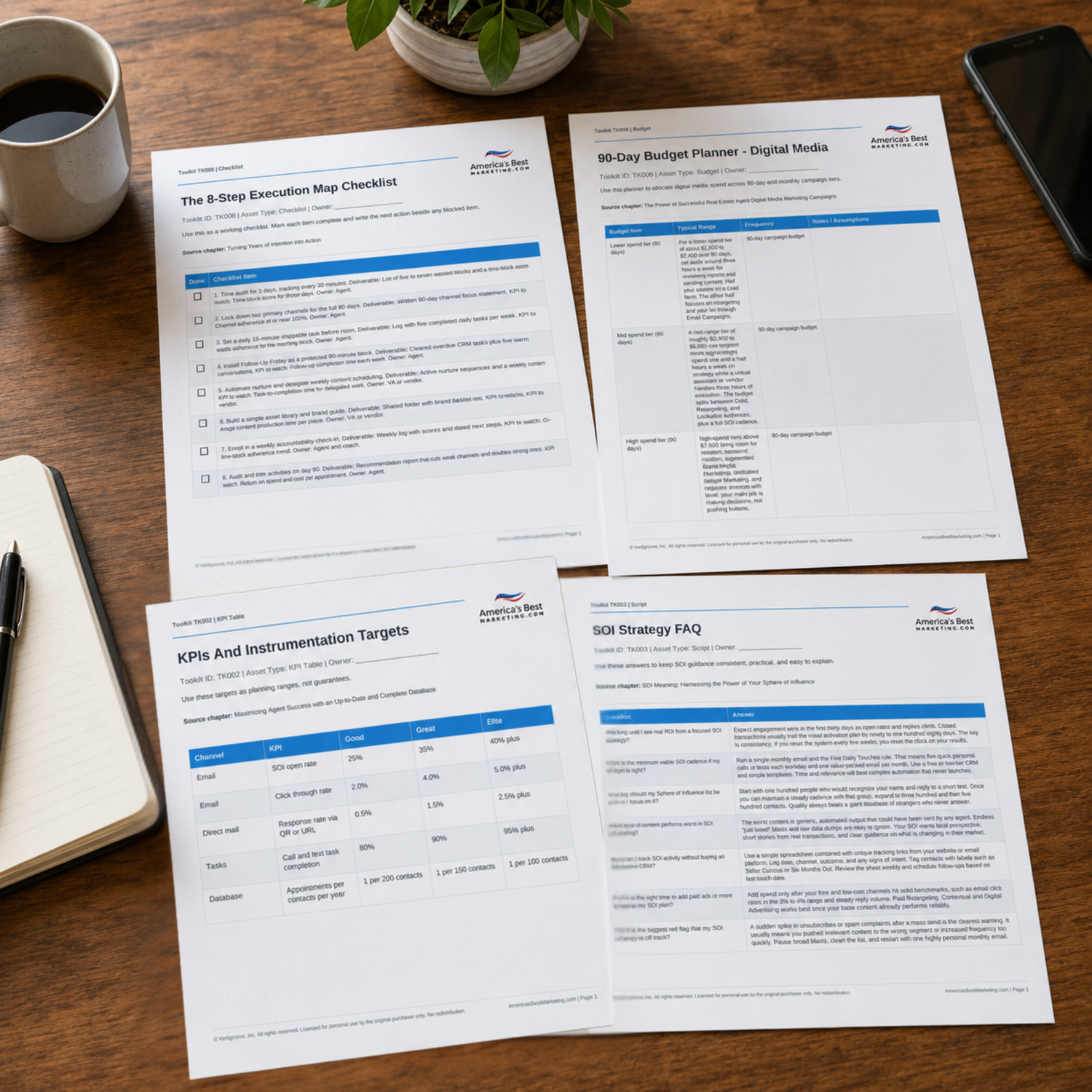
Use the companion Toolkit to turn FHA vs Conventional loan questions into buyer consult scripts, comparison content, FAQ blocks, KPI tracking, and a practical financial-content audit.
Download the Toolkit ZIPRecommended reads
Recommended Reads for Real Estate Agents
These articles help agents turn client questions, local guidance, marketing channels, and follow-up into a more useful content system.

Escrow Accounts Explained: Simple Agent Talking Points for Buyers and Sellers
Make escrow accounts explained easier to plan, publish, and measure as part of a weekly marketing rhythm.
Read article
Financial Mistakes Buyers Make: Real Estate Agent Scripts + Preventive Content Ideas
Give financial mistakes buyers make a clearer role in the marketing system instead of treating the work as a one-off idea.
Read article
Evergreen Content for Real Estate Agents: Build Posts That Rank for Years (and Compound Leads)
Build organic reach with pages and posts that are easier to find, trust, and act on.
Read article
REITs Explained for Real Estate Agents: Talking Points + Content Angles for Investor Clients
Build authority with content topics that are easier to plan, promote, and connect to follow-up.
Read articleFHA vs Conventional Loan Questions Agents Should Be Ready To Answer
How long does it take to see ROI from financial content?
Most teams see early signals within 30 to 60 days such as form fills, consult requests, and repeat visits to the loan page. Closings take longer, so track leading indicators first. Watch conversion rate on the cheat sheet form and the number of lender intros created from opt ins. Treat the first month as instrumentation, not a profit report.
Which loan is better for a fixer upper?
It depends on the home’s condition and the buyer’s cash reserves. FHA can flag safety and habitability issues that require repairs before closing, so some fixer uppers become harder to finance through FHA. Conventional appraisal standards can feel less rigid, but the home still must be livable. Use the property standards conversation to set expectations before the first tour.
People Also Ask: Can I switch from FHA to Conventional later?
Many buyers refinance from FHA to Conventional when credit improves and equity rises, but timing depends on rates, home value, and lender requirements. Teach this as a planning option, not a promise. A simple rule: if mortgage insurance becomes the main pain point, ask a lender to run refinance math once equity builds. Your role is to keep the buyer educated so they know when to ask.
Is FHA always easier to qualify for than Conventional?
FHA often tolerates lower credit profiles, but lender overlays and underwriting standards vary. Some Conventional programs work for first time buyers with strong income, low debt, and stable savings. The practical move is a side by side pre approval run, then a payment comfort range decision. Encourage buyers to compare both paths with a lender instead of guessing.
Do I need 20 percent down for a Conventional loan?
No. Many buyers use low down payment Conventional options, then pay PMI until they build enough equity. The bigger issue is cash reserves and payment comfort. A buyer with a small down payment can still look strong if they keep debt low and avoid stretching to the max. Use your content to shift the conversation from down payment pride to payment safety.
How should an agent talk about interest rates without crossing a line?
Do not quote rates or payments. Explain what moves the payment: down payment, credit profile, mortgage insurance, and loan term. Then send the buyer to a licensed lender for exact numbers. In content, use example ranges only when you label them as examples and avoid sounding like a quote. Keep the call to action focused on a lender consult.
What is the best next step after reading an FHA vs Conventional Loans guide?
Download the comparison chart and ask a lender to run both scenarios with the same purchase price. Then pick a payment comfort range and build the home search around it. If the buyer is not ready today, set a 60 day plan that targets one barrier: credit, cash, or debt. Your funnel should make that plan feel normal and doable.
Next step
Build the System Behind the Advice
Continue from one useful article into the larger ABM ecosystem: the book series for strategic depth and the full marketing program for done-for-you execution.

View the Book Series
Explore the America’s Best Real Estate Agent Marketing System books for a deeper strategic framework around visibility, referrals, listings, lead generation, and growth.
View the Book Series
See Full Marketing Program
See how AmericasBestMarketing.com runs real estate blog writing, social media, listing marketing, email, direct mail, and retargeting as one managed system.
See Full Marketing Program