Behind-the-Scenes Content: A Weekly Storyboard for Real Estate Agents. BTS That Sells
Behind-the-Scenes Content That Sells
A weekly storyboard for real estate agents
A shoot-to-scale workflow for real estate agents who want ordinary workdays to prove competence, build trust, and create inbound conversations without filming at random.

A weekly BTS storyboard that turns proof of work into trust
Behind-the-scenes content works when it shows how an agent thinks, prepares, solves problems, and protects the client journey. The winning system is simple: pick a weekly client anxiety, capture two short clips per workday, batch the best moments into three formats, then distribute them through social, email, listing touchpoints, and retargeting. The result is not more noise. It is visible competence before the first appointment.
- BTS content should show process, not private life. The point is to make invisible client work visible.
- A weekly storyboard protects cadence by assigning every clip to one client anxiety: timeline, money, risk, or confidence.
- Two micro-clips per workday are enough when each clip has context, clean sound, captions, and one clear reason to watch.
- The strongest BTS systems repurpose one capture session into Reels, Stories, LinkedIn posts, email touchpoints, and retargeting audiences.
Why Behind-the-Scenes Content Earns Trust Faster Than Polish
Behind-the-scenes content turns normal real estate work into proof of competence that prospects can feel. A polished listing video can show a beautiful property. A strong BTS clip shows the agent thinking through pricing logic, inspection risk, timeline pressure, buyer objections, seller expectations, and the next move that protects the client.
Start by aligning every clip to the same conversion intent you use in Real Estate Agent Video Marketing: Boost Conversions and Engage Clients with Effective Videos. The goal is not to appear busy. The goal is to help a buyer or seller conclude that you are organized, calm, and useful before they call.
The authenticity paradox is that useful BTS is not showing everything. It is showing the right things. Agents lose the thread when they film random errands, private life, office clutter, or unconnected lifestyle moments. Prospects do not need a documentary. They need pattern recognition: this agent knows what to check, what to explain, and what to do next.
- Over-editing: you polish the life out of the clip until it feels like a corporate advertisement.
- Lack of context: you post activity without explaining why it matters to the client journey.
- Ignoring distribution: you rely on Stories and miss longer-life reach, search surfaces, and follow-up opportunities.
- Poor sound quality: you prioritize visuals over clean audio and lose viewers before the point lands.
- No system: you depend on inspiration, then blame the platform when cadence collapses.
Most agents miss that BTS is a filtering tool, not just a branding tool. When you show real problem solving, such as navigating a rough inspection or explaining showing feedback, you signal competence before the first call. A practical benchmark is a meaningful lift in lead-to-appointment conversion when your BTS consistently answers one question: would I trust this person with my stress?
The 4-Week Shoot-to-Scale Engine
This system protects your calendar. You will not film all day. You will capture in small bursts, then scale through batching and reuse. Treat it like a transaction checklist: tight inputs, predictable outputs, and a weekly review that improves the next round.
The storyboard begins with client anxiety. Buyers worry about overpaying, missing something, and choosing the wrong home. Sellers worry about price, exposure, showing feedback, repairs, and whether their agent is doing enough work behind the curtain. Your weekly plan should speak directly to those anxieties.
Build the storyboard
Pick three weekly pillars: timeline, money, and risk. Add capture triggers to your normal schedule: before a showing, after a pricing review, during listing prep, after an inspection, and before offer triage.
Write one sentence for each trigger: what I am doing, why it matters, and what the client should understand next.
Capture in small bursts
Use the 10-minute daily capture rule. Record two micro-clips per day: one talking-head line and one environmental clip that supports the point.
Anchor your strongest moments to Listing Marketing events such as pre-listing prep, pricing logic, showing feedback, offer terms, and repair decisions.
Batch edit and repurpose
Create three exports per story: a short Reel, a caption-first post, and a 20-second cutdown for Stories. Keep captions readable and avoid visual clutter.
If the visual standard looks dated, the viewer assumes the process is dated too. That is why the standards in The Power of High-Quality Marketing Design vs. Static and Dated matter even for raw footage.
In Week 4, publish the top clips through Social Media Management for Real Estate Agents, then send the best one to your list through Email Marketing for Real Estate Agents. Add one line of context before the link so the email feels like a client briefing, not a recycled social post.
What To Film When Your Week Feels Ordinary
Your job is not to share your life. Your job is to share your process. BTS wins when it explains what clients do not see, in plain language, with a next step that feels easy. The best posts are specific to a moment, not a vague vibe.
Use the opening two seconds to tell the viewer why the clip matters. Then show the decision, not just the activity. A camera pointed at a folder is weak. A 12-second explanation of why you are checking showing feedback before recommending a price adjustment is useful.
The Monday planning clip
Agent dialogue
Hook lineHere is the one thing I am watching for sellers this week.
Middle lineIf showing feedback says buyers like the house but hesitate on price, we need to separate marketing exposure from pricing friction.
CTA lineFollow along this week and I will show you how I read the pattern.
Use this clip at the start of the week. It gives your audience a reason to follow the story instead of treating each post as a disconnected update.
The inspection problem-solving clip
Agent dialogue
Hook lineThis is where a deal can feel scarier than it really is.
Build lineWe separate safety, financing, insurance, and negotiation items so the client can respond with a plan instead of emotion.
CTA lineIf you are buying or selling soon, ask your agent how they triage inspection findings before the report arrives.
This clip builds trust because it shows how you manage uncertainty. Keep private details out and explain the decision framework.
The Friday lesson and next step
Agent dialogue
Opening lineThe biggest lesson from this week is that buyers respond to clarity faster than pressure.
Explain lineWhen we explained the timeline, the tradeoff, and the next step, the conversation got calmer.
CTA lineReply with the word plan and I will send you the checklist I use before a listing goes live.
Use the Friday clip to convert the week into a relationship move. A small reply request is stronger than a generic call me.
The Weekly Content Storyboard
This cadence keeps you visible without turning your week into a film festival. Treat each day as one scene in a story: setup, tension, resolution, and proof.
| Day | Storyboard theme | Primary channel | KPI |
|---|---|---|---|
| Monday | The week ahead and what you will solve | Stories and LinkedIn | Audience retention |
| Tuesday | One market truth with a clear client implication | Reel and short post | Save rate |
| Wednesday | Problem solving in motion, show the decision | Reels and TikTok | Share velocity |
| Thursday | Process clip, what you check before you advise | Story highlight and post | Profile visits |
| Friday | The win, the lesson, and the next client move | Listing marketing touchpoints | Direct messages |
The 10-Point BTS Quality Audit
Raw does not mean sloppy. The footage can feel human while the message stays disciplined. Run this audit before you post. If you miss three or more items, reshoot the clip or cut it down.
- Audio is clean and your voice is louder than room noise.
- Face lighting is even and the brightest light sits in front of you.
- Framing is stable and the horizon is level.
- Captions are on, correct, and easy to read without squinting.
- On-screen text uses short phrases, six words max per line.
- The first two seconds state what is happening and why it matters.
- One clip equals one idea, with no multi-topic rambling.
- B-roll supports the claim instead of filling space.
- The CTA matches the post goal: follow, reply, save, or schedule.
- Brand standard is consistent: same tone, same pacing, same promise level.
Keep the message consistent across every channel. Your brand gets built on repetition, not reinvention, which ties directly to the touchpoint discipline in Your Brand is Built on Every Interaction: Managing Client Touchpoints for Lasting Success.
Measure Intent, Not Applause
BTS is working when viewers move from passive attention into trust signals. Likes are weak evidence. Saves, replies, profile visits, email clicks, and prospects who reference your process during intake tell you the content is changing the quality of the first conversation.
If you want the best clips to reach beyond followers, use a small paid layer through Retargeting, Contextual & Digital Advertising. Start with video viewers and site visitors, then rotate one BTS angle per week so frequency stays controlled.
| Metric | Target | Range | Why it matters |
|---|---|---|---|
| View-through | Hold attention past the hook. | 25% to 45% | Signals your story arc is clear and the clip earns time. |
| Reply rate | Prompt a small conversation. | 0.5% to 2% | Measures trust and intent better than likes for this format. |
| Profile visits | Drive curiosity to your profile. | 2% to 6% | Shows BTS is translating into next-step behavior. |
An agent who had been posting only sold photos switched to a three-days-per-week BTS storyboard: pricing logic on Monday, inspection problem solving on Wednesday, and client outcomes on Friday. The agent did not post more. The agent posted with intent. Within a 90-day window, profile visits and direct inquiries improved because viewers could see the work behind the result.
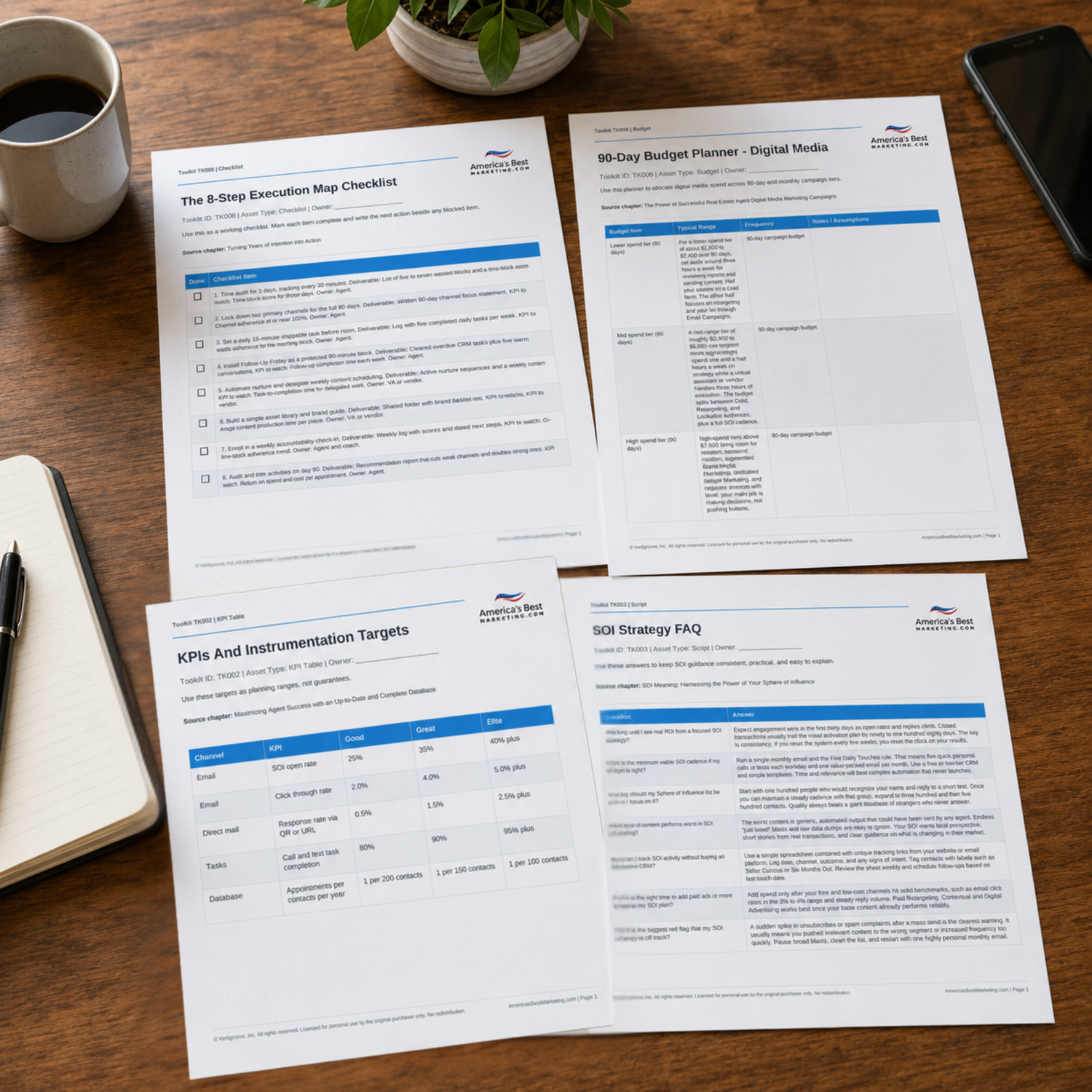
Download The BTS Storyboard Toolkit
Use the companion Toolkit to plan the weekly storyboard, capture better clips, run the quality audit, track intent signals, and repurpose behind-the-scenes content across social, email, listing touchpoints, and retargeting.
Download the Toolkit ZIPRecommended reads
Recommended Reads for Real Estate Agents
These articles help agents connect content planning, client education, local visibility, and follow-up into a more consistent marketing rhythm.

Building Your Personal Brand with Video Content
Use video to explain value, show proof, and stay visible without chasing every trend.
Read article
Hyper-Local Content Kit for Real Estate Agents: Parks, Events, Map Posts
Turn local knowledge into searchable content buyers, sellers, and relocation prospects can actually use.
Read article
Video Testimonials: Shot List, Questions, and an Editing Workflow Real Estate Agents Can Repeat
Create video content with clearer scripts, simpler formats, and a cadence agents can actually maintain.
Read article
Video Checklists for Real Estate Agents: Property Tours, Reels, Testimonials
Plan social content with stronger themes, better cadence, and clearer reasons for people to engage.
Read articleBehind-the-Scenes Content Questions Real Estate Agents Ask
What is the minimum viable cadence for BTS that still drives trust?
Start with three posts per week and keep the themes consistent: Monday plan, Wednesday problem solving, Friday outcome. Use Stories for quick clips and one Reel for the weekly anchor. If you can only do two posts, keep Wednesday and Friday and rotate the Monday theme into a single caption line.
What gear do beginners actually need to make BTS watchable?
Use a modern phone, a small clip-on mic, and a simple tripod. Prioritize audio first, then stable framing, then lighting. Add captions every time. You do not need a fancy camera to communicate competence. You do need clean sound and a clear point.
How much personal life should I show in my BTS?
Show personal only when it supports professional trust, such as how you structure your day, how you prepare, or how you handle stress. Avoid content that creates privacy risk or distracts from the client mission. A simple rule: if it does not help a buyer or seller feel safer hiring you, skip it.
How do I keep BTS authentic without looking unprofessional?
Keep the footage raw but the message disciplined. State what is happening, why it matters, and what happens next. Use the 10-point quality audit to protect sound, captions, and pacing. Authentic means real work, not sloppy work.
What should I film on days with no showings, no inspections, and no drama?
Film prep and decision making. Record one clip about how you price a home, how you review offers, or how you manage timelines. Capture one screen-free visual: notes on a legal pad, a calendar block, or a quick office shot with a clear voice line. Calm days are where process gets proven.
How do I measure whether BTS is working without chasing vanity metrics?
Track signals that correlate with intent: profile visits, replies, and saves. Add a simple intake question to calls: what made you reach out. Watch for prospects who reference your process clips. Use the KPI table as a benchmark range and adjust topic selection and hook clarity before you post more.
Should I run paid promotion on BTS content or keep it organic?
Keep organic as the baseline and add a small paid layer when you have a clear story that qualifies prospects. Start by retargeting video viewers and site visitors, then cap frequency so you do not burn the audience. Treat paid as distribution, not a shortcut. The best BTS still needs a clear narrative arc.
Next step
Build the System Behind the Content
Continue from one useful article into the larger ABM ecosystem: the book series for strategic depth and the full marketing program for done-for-you execution.

View the Book Series
Explore the America’s Best Real Estate Agent Marketing System books for a deeper strategic framework around visibility, referrals, listings, lead generation, and growth.
View the Book Series
See Full Marketing Program
See how AmericasBestMarketing.com runs real estate blog writing, social media, listing marketing, email, direct mail, and retargeting as one managed system.
See Full Marketing Program