Zillow Leads vs Realtor.com Leads. Which is Worth It?
Zillow Leads vs. Realtor.com Leads Which Is Worth It?
A Cost, Intent, and Ownership Decision for Real Estate Agents
A practical portal-lead briefing that compares audience quality, response pressure, and true acquisition cost, then maps a six month shift toward demand you own.

Are Zillow or Realtor.com leads worth the investment?
Both can be worth testing, but neither should become the center of a real estate business. Zillow generally favors teams that can respond immediately and work higher lead volume. Realtor.com may favor agents who prefer a smaller stream with clearer search intent. The best decision comes from comparing each portal’s Cost Per Signed Agreement and Cost Per Closed Client against owned assets that keep producing after the monthly invoice stops.
- Judge portals by Cost Per Signed Agreement and Cost Per Closed Client, not by lead volume alone.
- Zillow can reward speed and staffing capacity, while Realtor.com may reduce some of the response-race pressure.
- Shared leads carry a time tax that should be included in channel economics.
- The strongest long-term strategy uses portal cash flow to fund content, local search, email, retargeting, direct mail, and IDX assets.
Compare Reach, Intent, Exclusivity, and the Time Tax
Disclosure: This article is intended for informational purposes only and reflects general market trends and agent feedback. AmericasBestMarketing.com is not affiliated with Zillow or Realtor.com. All trademarks and brand names belong to their respective owners.
Every portal lead program sells some combination of audience size, exclusivity, and buyer intent. Audience size promises reach. Exclusivity controls how many agents may receive or compete for the same opportunity. Intent indicates how close the person may be to making a real estate decision. Cost Per Lead sits on top of those variables, but the operating metric that matters is Cost Per Closed Client.
Zillow can deliver broad reach in many markets, which means the stream may include serious movers, casual browsers, and early-stage dreamers. Realtor.com often brings a smaller audience tied to active property searches. Neither pattern guarantees a better result. The answer appears only after you track how many names become conversations, appointments, signed agreements, and closings.
Reach with response pressure
Zillow can work when reach matters most and you can staff near-immediate follow-up without sacrificing listings, referrals, or client service.
Intent with a smaller stream
Realtor.com can work when you want fewer speed-race conversations and a flow that is easier to segment into hot, warm, and long-term nurture.
Assets that keep producing
Use portal data and cash flow to fund content, local search, email, retargeting, direct mail, and IDX resources that compound.
Agents often underestimate the time tax. Shared leads create speed races, repeated contact attempts, and long nurture cycles. A high Cost Per Lead is obvious on an invoice. The hours lost to chasing low-intent contacts are harder to see, but they still belong in the acquisition cost.
- Do not evaluate portal performance by Cost Per Lead alone.
- Include response time, dialing time, nurture time, and opportunity cost in channel economics.
- Separate reach from intent so a high lead count does not disguise a weak appointment rate.
- Pair fast response with specific local expertise instead of relying on speed as the only differentiator.
The strategic metric is lead-source lifetime value. Portal programs can create short-term spikes, while a neighborhood guide, email list, or retargeting audience can keep generating warm and referral-rich opportunities for years. Lifetime value makes the case for investing in assets that reduce dependence on any single vendor.
Move from Rented Leads to Owned Demand Without Disrupting Cash Flow
You do not need to cancel every portal contract at once. The more disciplined move is to redirect part of the budget during a six month window. Keep enough paid lead flow to protect near-term opportunity while building a system no portal controls.
- Audit and reallocate in month one. Pull the last ninety days of portal invoices, calculate total spend, and move a defined share into owned marketing. Give content, technology, and light media a stable monthly budget.
- Launch one pillar guide in months one through three. Choose a question ideal clients repeatedly ask, such as first-time buying in your city or downsizing from a large home. Publish a detailed local guide with steps, timelines, and decision points.
- Strengthen local search and your Google Business Profile. Confirm categories, service areas, and contact details. Publish one useful update each week and make direct review requests part of the closing workflow.
- Automate nurture by the end of month two. Build a three-email welcome sequence, then send a monthly market update with one chart, one story, and one clear next step. A managed Email Marketing for Real Estate Agents system can keep the cadence running.
- Turn on always-on retargeting in month three. Follow site visitors and video viewers with simple benefit-led creative. Connect the campaign to Digital Retargeting instead of chasing short-lived ad trends.
- Lock a video and social cadence by month four. Record one concise monthly market note and distribute it through a consistent Social Media Marketing plan that drives people back to your website and guide.
- Test direct mail in month five. Choose a small farm tied to past closings and future goals. Mail a clear guide offer with a trackable URL, then connect the response path to Direct Mail Marketing.
- Review Cost Per Signed Agreement in month six. Compare portal leads with content, email, direct mail, and retargeting. Shrink budgets that create expensive agreements and increase funding for channels producing durable value.
Build the Website, Local Authority, and Budget Structure You Control
Your website with live property search is the control center for every other channel. IDX Real Estate Websites can turn random traffic into higher-intent sessions by letting buyers and sellers explore listings, save searches, and request help on a platform you control.
Start with five to seven neighborhood pages that reflect the markets you want to serve. Each page should explain price context, commute considerations, amenities, housing patterns, and practical decision factors in neutral, Fair Housing-safe language. The goal is to make your site the obvious place for serious local research.
Measure engagement depth
Track organic visits, time on page, scroll depth, saved searches, guide downloads, and consultation requests. Deeper behavior signals that the market sees your website as a decision resource instead of a digital business card.
Replace fragile traffic gradually
Portal contracts make spending feel fixed. Reframe those dollars as fuel for assets. The goal is not zero paid media. The goal is a better balance between rented access and owned visibility.
Use the following tiers as planning examples, not promises. Adjust them to your production volume, market, and capacity.
| Tier | Ninety Day Focus | Monthly Spend | Why It Matters |
|---|---|---|---|
| Pillar builder | Ship one strong guide and simple nurture | $400 to $800 | This range can fund one substantive content asset and a basic email sequence without overwhelming the calendar. |
| Channel integrator | Add retargeting and neighborhood hubs | $1,000 to $2,000 | This level can support light media, two neighborhood pages, and focused planning to connect the channels. |
| Asset owner | Layer video, direct mail, and upgrades | $2,500 plus | This tier can support professional video help, stronger listing marketing, and a direct mail test in priority farms. |
Track the Metrics That Connect Marketing to Signed Business
Portal dashboards emphasize impressions, clicks, and lead count. Those numbers can describe activity without explaining business value. A useful scorecard follows the path from attention to conversation, appointment, signed agreement, closing, and lifetime value.
Qualified content engagement
Track unique views and engagement depth on pillar guides and neighborhood pages. These metrics show whether local buyers and sellers are consuming the material.
Lead-to-appointment rate
Compare appointment rates across portal, referral, organic, email, retargeting, direct mail, and website sources. The rate reveals which channels produce people willing to take the next step.
Cost Per Signed Agreement
Divide channel spend by signed clients, then compare the result with closing value and lifetime value. This keeps volume and vanity metrics from controlling budget decisions.
Review email deliverability, opens, and clicks monthly. Remove hard bounces and manage disengaged contacts so the list stays useful. Each quarter, reconcile every client with the original lead source and calculate Cost Per Signed Agreement. Use that report to cut, hold, or increase spend.
Owned channels also let you shift the conversation from price and speed to expertise. Use headlines and subject lines that answer specific client questions.
- Before you buy, understand the title policy costs that apply in your market.
- Is your preferred neighborhood cooling or heating up, and what does that mean for your move?
- Watch this inspection breakdown before writing an offer on an older home.
- Monthly market notes with one chart, one story, and one action for local homeowners.
- Download the local selling guide before choosing a price and launch date.
Match the call to action to prospect warmth. A soft offer invites a guide download or market-note subscription. A mid-level offer invites a short pricing or market consultation. A direct offer invites a home valuation or listing conversation. Strong content earns the right to make the stronger ask.
Protect Fair Housing, Consent, and Client Data
Running an owned marketing system creates responsibility. Every page, message, and offer must respect Fair Housing requirements. Neighborhood content should describe housing, amenities, access, property characteristics, and practical market considerations without coded language that excludes or steers protected groups.
Email programs should include a clear unsubscribe path and honor requests promptly. Forms should explain what the person will receive and how often. Personal data in the CRM, website, and advertising platforms should remain secure and should not be sold or shared without appropriate consent.
- Use neutral language when describing neighborhoods and audiences.
- Keep permission and unsubscribe records inside the email platform.
- Limit access to CRM and website data to people who need it.
- Document lead source, consent source, and follow-up status consistently.
The Investment Shifts from Volume to Equity
An agent spending heavily on portal leads can often protect short-term deal flow while moving part of the budget into local guides, email, and light retargeting. Portal volume may dip at first, but the blended Cost Per Closed Client can improve as the agent’s list, search visibility, direct audience, and referral activity grow.
The critical discipline is continuity. Owned assets rarely match the immediate response profile of a portal during the first ninety days. Their value appears as the same guide ranks, the same subscriber receives multiple useful messages, and the same website visitor returns through retargeting. The system becomes more valuable because each channel strengthens the others.
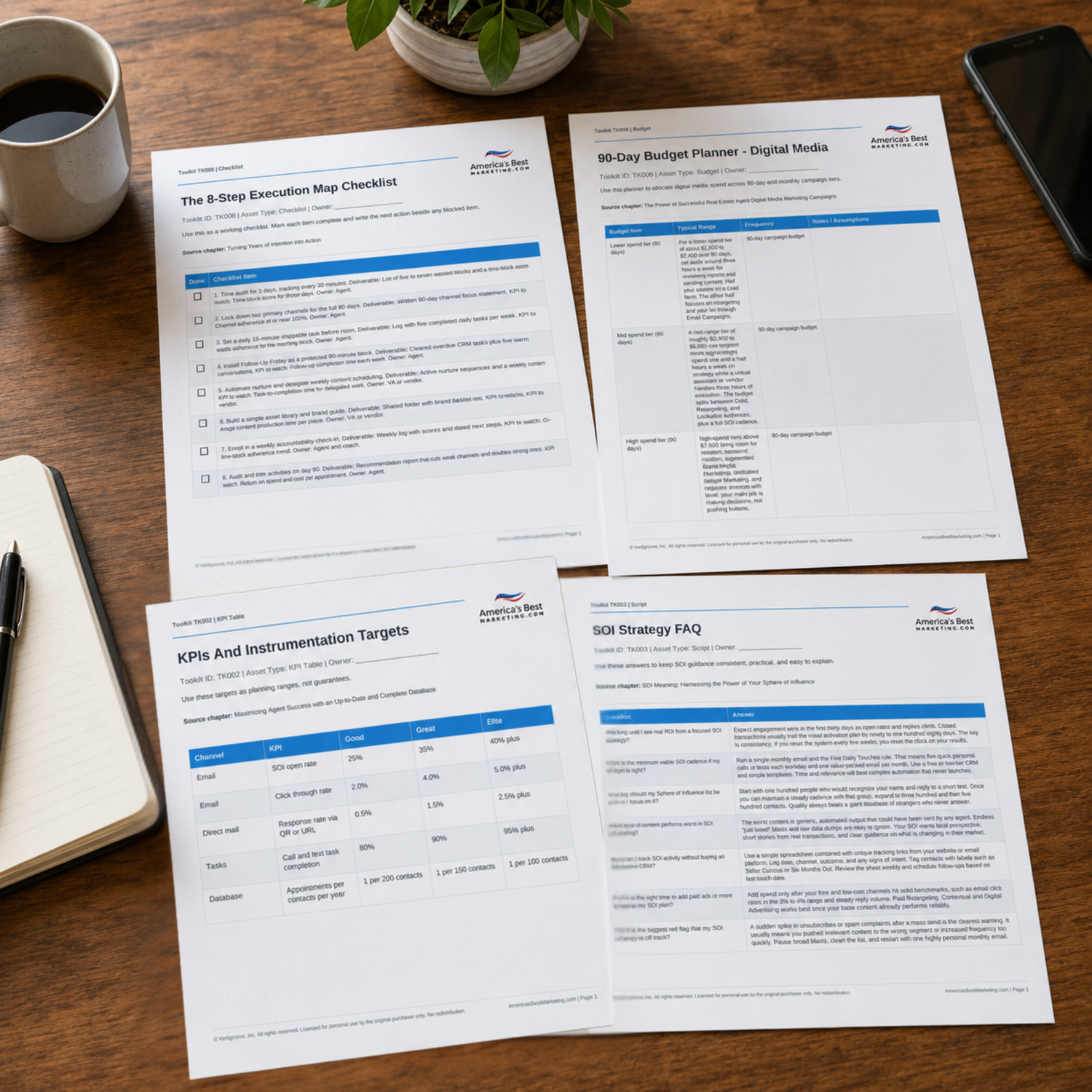
Download The Portal Lead ROI Toolkit
Use the three-PDF Toolkit to audit portal spend, map an eight-step owned-demand plan, compare budget-shift KPIs, and answer common Zillow versus Realtor.com ROI questions with a consistent operating framework.
Download the Toolkit ZIPContinue The System
Recommended Reads for Real Estate Agents
These articles help agents connect follow-up discipline, database habits, client communication, and marketing execution into a repeatable system.

Are Paid Leads or Organic Leads Better for Real Estate Agents?
Turn paid versus organic leads into a steady operating habit, not another item that waits for a quiet week.
Read article![Build a Relocation Lead Engine in [Your City] (Guide for Real Estate Agents) article preview for real estate agents](https://images.squarespace-cdn.com/content/v1/674ca5283c99f218d8bbb451/af9d20d1-51ed-4e2c-9c4d-f00444ec2a10/Blog+142+Build+a+Relocation+Lead+Engine+in+%5BYour+City%5D+%28Guide+for+Real+Estate+Agents%29.png?format=1500w)
Build a Relocation Lead Engine in [Your City] (Guide for Real Estate Agents)
Use relocation lead engine to strengthen visibility, follow-up, and client conversations without adding more random tasks.
Read article
Building a Trusted Brand: The Key to Attracting Target Audiences Over Paid Leads and Mass Marketing
Turn personal brand work into a system clients can notice, remember, and trust.
Read article
How to Build and Promote a High-Converting Real Estate Lead Magnet for Agents
Use lead magnet promotion to create a stronger bridge between client education and real conversations.
Read articlePortal Lead and Owned-Pipeline Questions
How long does it usually take to see measurable ROI from owned assets?
Paid portal leads can create appointments almost immediately yet often at a high Cost Per Closed Client. Owned assets such as guides, email, and neighborhood pages tend to show measurable results within six to twelve months as search traffic builds and your list grows. The real payoff compounds after about eighteen months when repeat and referral deals join the pipeline.
What is the minimum cadence if my budget is tight right now?
Pick one pillar topic and publish one strong guide each quarter. Pair that guide with a simple monthly email that shares a market note and a call to action. Add a weekly Google Business Profile post that highlights a listing, review, or local insight. Thin cadence still builds equity when you stay consistent.
How can I track results without buying complex analytics tools?
Use the lead source field in your existing CRM and basic reports inside Google Analytics. Ask every closed client how they first heard your name and log the answer in a simple spreadsheet. Compare that log against your total spend and you will see which channels actually produce signed agreements.
What type of content performs worst for attracting serious buyers and sellers?
Generic content that could live in any city tends to underperform. Topics such as reasons to buy a home or vague tips rarely capture intent. Content that ties advice to a specific neighborhood, price band, or situation draws better prospects because it speaks to a real moment in their journey.
When should I scale spending on an owned channel?
Scale once you can see a consistent Cost Per Signed Agreement for that channel across several months. That means you know roughly how many views, clicks, and leads it takes to create one new client. Until you see that pattern, treat extra spend as testing rather than a reliable engine.
What is the biggest red flag that my pivot is at risk?
The clearest red flag is pulling back after the first ninety days because results feel slower than portal leads. Asset building works more like planting than shopping. If you stop nurturing the plan early, you will never see the compounding effect that makes owned systems so powerful.
How large should my first geographic farm or audience be?
Start narrow and specific. Choose two or three zip codes or one or two named neighborhoods that line up with your past closings and future goals. A focused farm lets you saturate mailboxes, feeds, and search results with meaningful content instead of thin coverage across the whole region.
Next step
Build the System Behind the Advice
Continue from one useful article into the larger ABM ecosystem: the book series for strategic depth and the full marketing program for done-for-you execution.

View the Book Series
Explore the America’s Best Real Estate Agent Marketing System books for a deeper strategic framework around visibility, referrals, listings, lead generation, and growth.
View the Book Series
See Full Marketing Program
See how AmericasBestMarketing.com runs real estate blog writing, social media, listing marketing, email, direct mail, and retargeting as one managed system.
See Full Marketing ProgramDisclaimer: This article is intended for informational purposes only and reflects general market trends and agent feedback. AmericasBestMarketing.com is not affiliated with Zillow or Agent.com. All trademarks and brand names are the property of their respective owners.