Out-of-State Buyers: A Real Estate Agent Playbook for Remote Showings, Trust, and Smooth Closings
Out-of-State Buyer Trust
A Real Estate Agent Playbook
A relocation marketing brief for agents who want to earn trust from distance, run cleaner virtual tours, and protect every remote closing from first call through wire verification.

Out-of-state buyer trust starts before the tour
Out-of-state buyers do not need more listings. They need a documented process that makes distance feel manageable. The agent who wins this client gives relocation buyers proof assets before the first appointment, filters urgency early, runs remote showings with a repeatable structure, and treats wire verification, inspections, signing logistics, insurance, and final walk-through planning as one safety system.
- Remote buyers are not just comparing homes. They are comparing risk, timing, logistics, and whether they can trust your local judgment.
- A relocation hub, intake form, follow-up cadence, and remote showing checklist should work as one operating system.
- Virtual tours must show exterior context, street reality, room flow, mechanicals, and decision notes, not just flattering interior angles.
- The remote close needs formal controls for wire instructions, signing logistics, insurance, inspection follow-up, and closing-day communication.
Why Distance Trust Wins Relocation Buyers
Capturing out-of-state buyers can be one of the cleanest niches in real estate because urgency is high and the buyer needs professional guidance. The right playbook builds distance trust, runs digital triage, delivers high-fidelity remote showings, and keeps the closing process smooth with a remote safety audit. The business outcome is a tighter pipeline of high-intent clients on a short move timeline, fewer unproductive showings, and a reputation as the local relocation concierge.
Distance trust is the buyer believing your eyes, your judgment, and your process before they believe the listing photos. Out-of-state buyers are making a double purchase at the same time: a home and a daily life they cannot fully verify yet. Your job is to reduce uncertainty without overselling, and to give proof in small, steady steps.
The relocation lifecycle is predictable. It starts with research, moves to shortlisting, then a proof phase during showings and inspections, and finishes with a logistics sprint to close. If you treat a remote lead like a local walk-in, you miss the real problem: they are not shopping for a property, they are shopping for confidence.
Distance multiplies uncertainty
Remote buyers are not just comparing bedrooms, finishes, and price. They are comparing travel constraints, time zones, family input, employer deadlines, neighborhood context, inspections, financing, and closing logistics.
Process becomes the differentiator
An agent who turns uncertainty into a documented experience becomes more than a showing assistant. They become the local operating system for the move.
Fair Housing matters most when buyers ask for neighborhood advice. Do not steer, rank, or recommend areas based on protected characteristics. Talk about objective, non-discriminatory factors a buyer can verify: commute patterns, proximity to services, housing stock style, flood zones, HOA rules, taxes, and local amenities. When school ratings come up, point buyers to official district sources and encourage them to verify the information based on their own priorities.
- Digital triage: A fast intake that sorts timeline, financing, must-haves, and decision criteria.
- Relocation portal: One page that consolidates market guidance and reduces back-and-forth.
- Authority loop: Publish answers, earn search traffic, convert with proof, and refresh content based on questions you keep hearing.
Build A Relocation Funnel That Filters And Converts
Your funnel is not a single lead form. It is a sequence: search discovery, credibility proof, structured intake, then a controlled remote showing experience. The fastest win is to build one relocation hub and make every channel point to it, including social posts, email signatures, and ad traffic.
Your relocation hub should connect to your IDX Real Estate Websites page so buyers can move from lifestyle research to active inventory without context switching. Include market overview, cost drivers, property taxes, insurance notes, HOA norms, and a vendor list with a disclaimer that the buyer chooses providers. Add a clear intake form that asks timeline, budget, work location, and top three decision factors.
Digital triage is where you protect your calendar. Use a three-lane system that puts every remote lead into one of these buckets: ready in 0 to 30 days, planning in 30 to 90 days, or exploring beyond 90 days. Each bucket gets a different cadence, and that cadence should be tracked like a process metric, not a hope.
Relocation buyers also need repetitive exposure. A remote buyer is usually comparing multiple markets at once, so your name has to show up more than once to win. Use Repetitive Exposure in Real Estate Marketing: How Consistency Builds Trust, Brand Recognition, and Referrals as your operating principle, then apply it through a simple content rhythm: one relocation update per week and one market proof post per week.
Paid traffic should only be layered in after the hub and intake are working. When you run Retargeting & Contextual Ads, the job is not to impress people, it is to stay in front of them while they research. Keep the targeting practical: feeder states, employer clusters, and people actively browsing listings. Keep frequency under control so your brand looks present, not desperate.
Most agents think the inspection is where remote deals fall apart, but the real break point is earlier: the neighborhood reality check. Use drive-through clips that show commute routes, street noise, parking reality, and the feel of the block. Then ask one question: what would surprise this buyer after they arrive?
The 12-Week Relocation Magnet System
This is a simple build, distribute, standardize sequence that turns relocation interest into appointments. The goal is not to make more content. The goal is to make the same buyer questions answer themselves before the first call, then use your time on high-value decisions.
Build the content anchor
Publish a relocation guide for your city and two supporting pages for common feeder moves. Add a relocation checklist, a cost-of-owning section, and a short section on what a remote closing looks like in your area.
- Publish one hub page and two supporting pages.
- Create one intake form with timeline and decision criteria.
- Build one vendor resource list with a buyer-choice disclaimer.
Launch the distribution loop
Start with retargeting to hub visitors and listing viewers. Use two ad angles only: a relocation guide download and a neighborhood drive-through request. Track response time and booked consults as the benchmarks.
- Run one retargeting campaign to site visitors.
- Rotate two creatives every two weeks.
- Set a response standard of five minutes during business hours.
Standardize the virtual experience
Create a remote showing toolkit and a consistent process that every buyer gets. You are building trust by being repeatable. When the buyer knows what happens next, they relax and commit.
- Use a shared digital checklist for each showing.
- Send a recap within two hours of every tour.
- Build one weekly update email for planning-stage buyers.
Email is the glue for relocation follow-up because it travels across time zones without friction. Use Email Marketing for Real Estate Agents to run a simple two-track cadence: weekly for buyers inside 90 days and biweekly for buyers beyond 90 days.
What You Show And How You Prove It
Remote showings are a supplement to due diligence, not a replacement. Your job is to deliver a high-fidelity view of the home and the surrounding conditions, then direct the buyer to professional inspection, document review, and local verification where required. If you frame it that way, you protect the client and you protect yourself.
Build the remote showing experience around three deliverables: a live tour, an asynchronous recap, and a decision summary. Live tours are for Q and A. Asynchronous recaps are for rewatching and sharing with decision partners. The decision summary is a short document that lists pros, cons, and next steps tied to the buyer’s criteria.
Use market data as proof, not as theater. A buyer who cannot walk the neighborhood will lean harder on objective information. Tie your showing notes to comps, days on market, and local inventory shifts, and reference Understanding and Leveraging Real Estate Market Data to Win Listings and Trust to keep your delivery structured and consistent.
| Tool | Use case | Cost | Client value |
|---|---|---|---|
| Gimbal | Stabilized walk-through video. | $90 to $160 | Reduces shaky footage so buyers can judge flow and room size with confidence. |
| Wireless mic | Clean audio during tours. | $60 to $150 | Buyers hear your commentary clearly, which improves trust and reduces repeat questions. |
| Shared checklist | Tour criteria tracking. | $0 to $20 | Keeps decisions aligned across partners and prevents missed items during fast tours. |
Run your tour like a controlled test, not a casual stroll. Start outside to show street conditions and sight lines, then do a full loop of the home, then finish with the most decision-driving features such as primary suite, storage, mechanicals, and outdoor space. Save ten seconds at the end for a recap and a clear next step.
- Start with a one-minute exterior context pass.
- Follow a consistent room order every time.
- End with a recap tied to the buyer’s top three criteria.
- Send a replay link and written notes the same day.
For neighborhood proof, use three simple clips: commute drive, street-level walk, and a practical amenities route such as grocery to home to primary commuter road. Keep it objective and avoid language that describes who lives there or who should live there. That keeps you aligned with Fair Housing and keeps the buyer focused on verifiable factors.
The 10-Point Remote Closing Safety Audit
The remote close is where small process gaps become big stress. Your job is to reduce surprises by running a structured audit early, then confirming each item again before wiring or signing. Treat this like a checklist you use on every file, not a one-off scramble when deadlines are tight.
- Confirm signing method and local rules with the closing team early.
- Validate identity verification requirements for remote notarization.
- Confirm whether power of attorney is needed and how it must be executed.
- Get wiring instructions through a verified phone call using known numbers.
- Require written confirmation for any last-minute wiring change.
- Confirm insurance binders, effective dates, and any lender conditions.
- Schedule inspection follow-ups and repair verification with timestamps.
- Review closing disclosure timing so the buyer is not rushed across time zones.
- Confirm final walk-through plan and contingency options if travel is delayed.
- Deliver a closing-day run sheet with contacts, times, and document links.
Wire fraud prevention deserves its own line item because scams target remote buyers. Set a rule: wiring changes are never accepted by email alone. That single standard prevents most disasters.
Turn Distance Into A Value Proposition
Relocation prospects respond to clarity. Your messaging should sound like a service model, not a sales pitch. Lead with the promise of reduced uncertainty, then show the system: intake, proof assets, remote showings, and the closing safety audit.
$300 to $500 per month
Use retargeting only. Rotate two ad creatives every two weeks. Target site visitors and listing viewers, then hold frequency to a professional level so your brand looks present, not needy.
$900 to $1,500 per month
Split budget across retargeting and contextual campaigns. Use two angles: guide download and drive-through request. Review booked consults and drop-off points every week.
Relocation headline angles
The city relocation brief your HR packet did not include.
Buying from a distance: a five-point safety protocol for remote decisions.
Your local eyes and ears: remote showings with a documented recap system.
CTA taxonomy
Soft: Download a city school district and tax report for your move.
Mid: Request a neighborhood drive-through video for one area.
Hard: Book a relocation strategy call before you fly in.
Measure what matters. Track booked consults, show-to-offer conversion, and response time as process benchmarks. Avoid treating impressions or clicks as the finish line. They are only the beginning of the story.
Put The Remote Buyer System Into Production
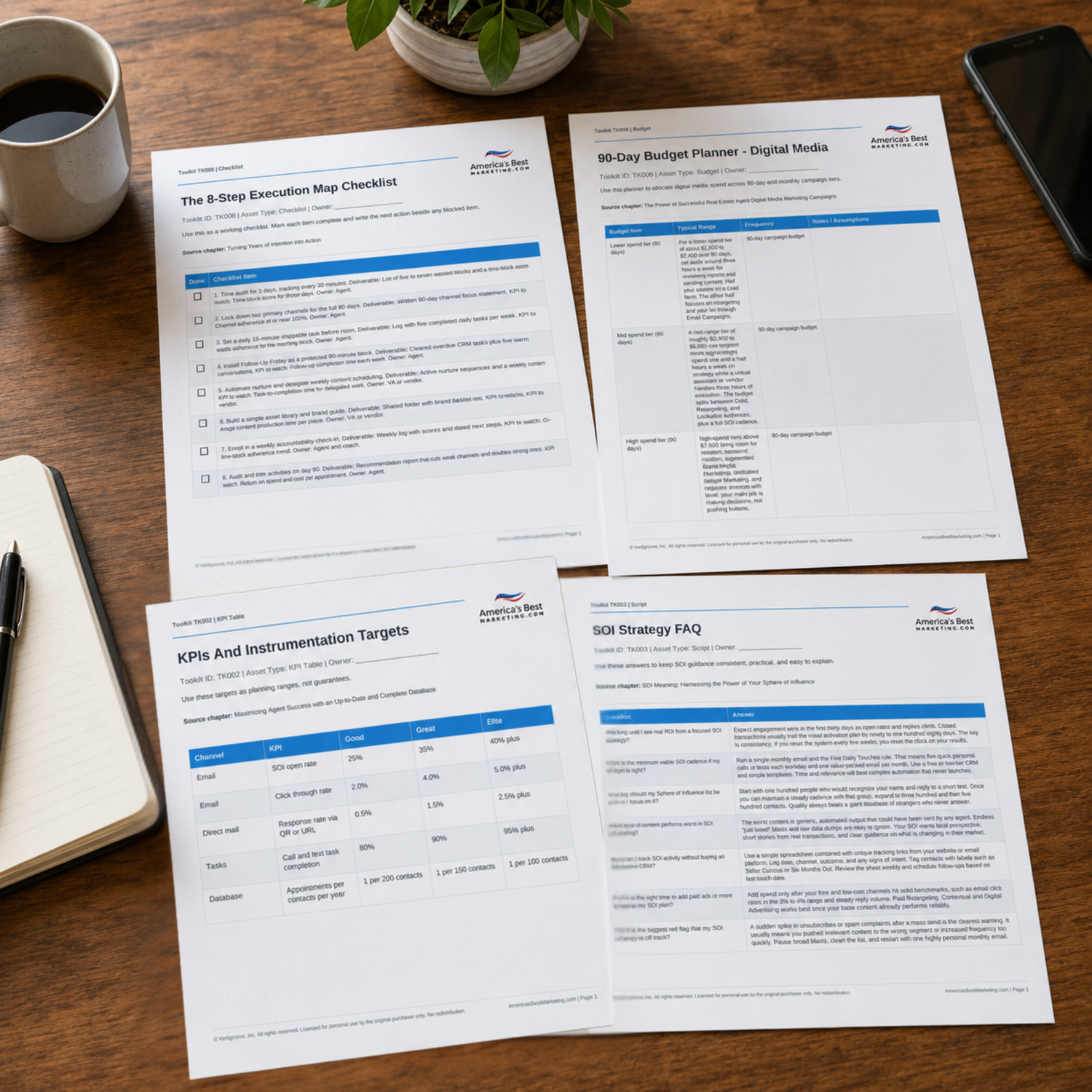
Download the companion Toolkit for this article. It includes the relocation ad budget planner, remote closing safety audit, 12-week relocation magnet plan, remote showing tech stack, and remote buyer FAQ script.
Download the Toolkit ZIPHow Sarah Built A Relocation Hub That Scaled
Sarah noticed a surge of buyers moving from higher-tax states into her market, and she stopped treating them like occasional one-offs. She built a dedicated relocation hub on her IDX site, published a few feeder-state pages, and routed every inquiry through a timeline-based intake.
Instead of doing long live tours for everyone, she used narrated asynchronous video recaps and a simple drive-through clip that showed commute reality and street conditions. That let her serve multiple remote buyers at once while keeping decisions grounded in verifiable factors and Fair Housing-safe language.
Her process created operational leverage. Remote inquiries received a reply within minutes, tours ended with documented next steps, and closing-day surprises dropped because she ran the same safety audit on every file. She used coaching time to refine triage and follow-up, and the relocation niche became a stable source of referrals from corporate move partners.
Recommended reads
Recommended Reads for Real Estate Agents
These articles help agents turn client questions, local guidance, marketing channels, and follow-up into a more useful content system.

The Ultimate 7-Day Open House Promotion Kit: Ads, Posts, and Print Collateral for Real Estate Agents
Plan ad campaigns around repetition, landing pages, and second chances with warmer prospects.
Read article
How to Convert Online Buyer Leads into Appointments and Closings
Bring more structure to convert online buyer leads into appointments and closings so every touchpoint supports visibility and trust.
Read article
How Contextual and Retargeting Digital Marketing Work for Real Estate Agents and Why They Matter More Than Ever
Make paid ads easier to evaluate by tying audience, creative, budget, and next step together.
Read article
Retargeting Ads for Real Estate Agents: Setups, Budgets, and Creatives That Win the Second Chance
Plan ad campaigns around repetition, landing pages, and second chances with warmer prospects.
Read articleRemote Buyer Questions Agents Should Be Ready To Answer
Is it safe to buy a house without seeing it in person?
It can be, if you treat remote touring as a supplement and keep due diligence strict. Use a structured live tour, a recorded recap you can rewatch, and professional inspections with clear follow-up steps. Confirm disclosure documents early, verify neighborhood and commute factors with objective sources, and avoid rushing decisions because travel is inconvenient. The goal is confidence through process, not confidence through hype.
How do I handle a remote home inspection?
Schedule the inspection with a live video window so the buyer can join for the summary and ask questions. Request a written report with photos and clear severity notes, then create a short follow-up list: safety issues, major systems, and water or roof concerns. If repairs are negotiated, confirm how verification will be documented. Remote buyers need a clean paper trail they can understand quickly.
What is the minimum viable budget for relocation ads?
Start with a small retargeting budget that follows your relocation hub visitors. A practical entry point is a few hundred dollars per month with two simple creatives, one for a relocation guide and one for a drive-through request. Keep targeting tight and frequency controlled so your brand looks professional. Scale only after you can prove response speed and consult booking are consistent.
What content performs worst for out-of-state prospects?
Overly glossy content that avoids specifics tends to fail. Remote buyers want reality: costs, tradeoffs, and process. Vague neighborhood claims, subjective rankings, and anything that sounds like steering will backfire and can create compliance risk. Replace fluff with checklists, commute clips, and structured recaps tied to the buyer’s criteria. The more verifiable your content is, the more trust it earns.
How do I talk about neighborhoods while staying Fair Housing compliant?
Keep the conversation on objective factors and buyer-stated preferences that are not tied to protected classes. Discuss commute time, property types, price bands, HOA rules, flood zones, walkability, and proximity to services. For schools, point to official district sources and encourage personal verification. Avoid describing who lives in an area or who the area is for. Your role is to inform, not to steer.
What should I send after a remote showing to keep momentum?
Send a same-day recap that includes three parts: a replay link, a short pros and cons list tied to the buyer’s criteria, and a clear next step with a deadline. Include any documents the buyer should review and a timeline checkpoint such as inspection scheduling. Remote deals stall when the buyer has to remember what happened and what comes next. Your recap keeps the decision moving.
Next step
Build the System Behind the Advice
Continue from one useful article into the larger ABM ecosystem: the book series for strategic depth and the full marketing program for done-for-you execution.

View the Book Series
Explore the America’s Best Real Estate Agent Marketing System books for a deeper strategic framework around visibility, referrals, listings, lead generation, and growth.
View the Book Series
See Full Marketing Program
See how AmericasBestMarketing.com runs real estate blog writing, social media, listing marketing, email, direct mail, and retargeting as one managed system.
See Full Marketing Program