How to Host a Successful Real Estate Open House
How to Host a Successful Real Estate Open House
The Ten-Day Campaign That Turns Traffic Into Clients
A field-ready operating plan for real estate agents who want stronger attendance, cleaner lead capture, faster follow-up, and proof that supports the next listing conversation.

A successful open house is a ten-day lead campaign
Plan the event across ten days, assign a clear job to social media, email, direct mail, signage, and personal outreach, then run a structured guest experience with digital sign in and twenty-four-hour follow-up. The winning measure is not traffic alone. It is verified contacts, qualified conversations, appointments, seller proof, and reusable content created from one listing event.
- Start ten days before the event so promotion is sequenced instead of compressed into the final afternoon.
- Give each channel one job: social builds visibility, email activates warm contacts, direct mail reaches neighbors, and personal outreach creates commitment.
- Use a digital sign-in process with a clear value exchange so lead capture feels useful rather than intrusive.
- Follow up within twenty-four hours and track verified contacts, appointments, and future listing conversations.
Why The Open House Is Bigger Than One Afternoon
An open house brings buyers, neighbors, and the seller into one visible timeline. That makes it one of the few listing activities that can create buyer opportunities, future seller conversations, client reassurance, and marketing proof at the same time. The property is the venue, yet the real product on display is your operating system.
Treat every flyer, directional sign, social post, email, conversation, and follow-up as part of one campaign. That consistency helps the seller see active promotion and helps neighbors understand how you would handle their property. It also gives motivated buyers a low-friction way to experience your communication style before they schedule a private appointment.
The event should reinforce your broader Listing Marketing process. Photos, short clips, attendance numbers, visitor questions, and follow-up outcomes can support future listing presentations, database emails, social proof, and seller reports long after the signs come down.
- Buyer magnet: motivated prospects can meet you without committing to a formal consultation first.
- Seller proof point: neighbors witness traffic, preparation, and communication in real time.
- Content engine: the event produces footage, questions, feedback, and performance data for later campaigns.
The Ten-Day Open House Marketing Plan
Think in days, not hours. A ten-day runway creates enough time to align the seller, tighten the property story, produce consistent creative, activate the database, reach neighbors, and confirm the physical event experience. Once the sequence works, reuse it for every listing and change only the property details, audience, budget, and timing.
Lock the property story and the audience
Confirm the date, time, shoe policy, pets, photography permissions, parking guidance, and seller expectations. Tighten the listing description and photo order so every promotion carries the same promise.
Order postcards or door hangers through Direct Mail Marketing. Prioritize nearby streets with homeowners most likely to move up, downsize, or refer someone into the neighborhood.
Build the digital campaign
Create the landing page or feature block, confirm the sign-up flow reaches your database, and produce one square graphic plus one vertical story graphic.
Schedule the first database email and record a short front-door, kitchen, or porch video invite. Use Social Media Marketing to repeat the same visual promise across the channels your audience already uses.
Create commitment and remove friction
Deliver invitations to the most relevant neighboring homes, confirm sign locations, test the digital sign-in form, and prepare the feature sheet plus a list of comparable homes.
Send the reminder email and text, publish the final countdown story, and verify access, lights, blinds, temperature, parking, and guest-flow details.
The quiet killer of open house return is unclear ownership. Put one name beside every task: print, creative, email, database, signs, refreshments, sign in, photography, seller reporting, and follow-up. The event becomes repeatable when responsibility is visible before the first promotion launches.
Three Promotion Scripts That Drive The Right Traffic
A date and address are not enough. Each message needs a reason to attend and a clear next action. Buyers need access and useful property context. Neighbors need local relevance and a reason to imagine their own future sale. Your database needs a simple way to refer someone or request similar homes.
The social video teaser for buyers
Agent dialogue
Hook lineLooking for a home you can walk through this weekend instead of scrolling past another set of photos?
Build lineI am opening the doors at this property for two hours so you can see the kitchen, yard, bedrooms, storage, and natural light in one visit.
CTA lineSave this post and stop by Sunday. I will have a quick guide to similar homes ready for you.
Start at the front door, cut to the strongest kitchen or living area, show the primary suite, and end on the printed guides. Keep each clip brief and put the best visual in the first three seconds.
The database email invitation
Email framework
Subject lineWalk through this home on Saturday, not just online.
Opening lineI am holding an open house at this address and it could be a match for you or someone you care about.
Body lineDrop in between one and four to see the layout, storage, yard, and natural light for yourself.
CTA lineReply if you want a short list of similar homes before you stop by.
Send through Email Marketing for Real Estate Agents so opens, clicks, replies, and audience tags remain connected to the contact record.
The neighbor invitation
Door knock or printed card
Opening lineI am helping your neighbor sell this home and wanted to personally invite you to the open house.
Curiosity lineYou will see how I market property here, which matters if you ever think about selling or know someone who wants to move nearby.
CTA lineHere is the time and my contact information. Stop in, tour the home, and ask me for a quick update on local sale activity.
Use thick stock, highlight the time window and mobile number, and deliver the invitation two or three days before the event.
Run The Open House As A Structured Guest Experience
Once guests arrive, promotion gives way to operations. The event should be easy to enter, easy to navigate, and easy to continue after the visit. Your job is to create a calm flow through the home, ask useful discovery questions, and capture clean contact information without turning the entry into a checkpoint.
Make the physical route obvious
Arrive at least twenty minutes early. Turn on lights, adjust blinds, clear walking paths, and place the sign-in station near the entry. Keep refreshments in the kitchen so guests naturally gather in a space where conversation is easy.
Place flyers, feature sheets, and the local market snapshot on one clean surface. The materials should feel like one package, not unrelated handouts collected at the last minute.
Offer value before asking for data
Use a tablet form that asks for name, email, mobile number, buying timeline, and the type of follow-up the visitor wants. Explain the exchange clearly: property details, similar homes, future open house notices, or a private showing.
Ask one discovery question after the tour: What did this home clarify about what you need next? The answer reveals motivation without forcing a sales pitch.
Keep the seller informed without overloading them. Send a brief report after the event with total traffic, verified contacts, recurring feedback, follow-up actions, and the next listing-marketing move. That reporting discipline turns activity into evidence.
The Twenty-Four-Hour Follow-Up Sequence
The open house ends when the last guest leaves, but the conversion window is only beginning. Sort contacts by stated need and timing before the day ends. Every message should reference something the visitor actually cared about, then offer one useful next step.
- Warm buyers: Send the feature sheet, property details, and two or three similar homes. Offer a private showing or a short planning call.
- Curious neighbors: Share a concise activity summary and offer a private conversation about how the sale may affect their property plans.
- Hot prospects: Call anyone who identified a clear timeline, financing position, property need, or selling trigger within twenty-four hours.
- Longer-term contacts: Tag the contact by buyer, seller, neighbor, timing, price range, and next action so later follow-up remains relevant.
Use a consistent database workflow so every promise becomes a task. That structure connects the event to a larger listing launch workflow and prevents valuable conversations from disappearing after the weekend.
Choose A Budget Tier That Matches The Listing
The budget does not need to be large. It does need to be intentional. Allocate money and staff time across neighborhood print, digital visibility, signs, guest materials, content capture, and follow-up. The right tier is the one that gives the listing enough reach while producing assets you can reuse.
Use a budget of one hundred fifty to two hundred fifty dollars for essential signs, simple print, database email, organic social posts, and a clean digital sign-in form. This tier works for an entry-level listing or a first test of the operating process.
Use a budget of five hundred to eight hundred dollars to add neighborhood mail, stronger creative, video capture, and light Digital Retargeting. This tier works when neighbor reach and visible online momentum matter.
A full campaign in the twelve hundred to two thousand dollar range can support premium print, expanded distribution, professional content capture, and stronger paid visibility for a high-value property. The decision should reflect expected commission, seller expectations, local competition, and how many campaign assets can be reused.
KPI Table For Open House Performance
Attendance is only the first number. Track the movement from exposure to verified contact, from contact to conversation, and from conversation to appointment. That is how the event becomes a business-development system rather than a busy afternoon.
| Performance Tier | Primary Measure | Target Signal | Benchmark Notes |
|---|---|---|---|
| Traffic quality | Total guests and households | Steady arrival across the full window | Separate repeat visitors, neighbors, and active buyers so raw attendance does not overstate lead volume. |
| Capture quality | Verified contact records | Sixty percent or more of guest households | A complete record includes usable contact information, stated interest, timing, and a clear follow-up permission. |
| Conversation quality | Qualified buyer or seller discussions | Three to eight meaningful conversations | Count conversations that reveal timing, financing, property need, selling motivation, or a requested next step. |
| Conversion quality | Appointments within fourteen days | One or more appointments | Track buyer consultations, private showings, pricing conversations, and listing appointments back to the event. |
Compliance And Safety Standards
A productive open house must also protect the seller, visitors, and your professional obligations. Build safety and consent into the plan before the event instead of solving problems while guests are inside.
- Fair housing: Keep promotional language and conversation focused on property features, objective location facts, and the client’s stated housing needs.
- Consent: State clearly that sign-in information will be used for requested property updates and follow-up, and provide an easy way to stop messages.
- Seller security: Ask the seller to remove or secure valuables, medications, financial records, mail, keys, and personal documents.
- Traffic control: Know how many guests are inside, keep central sight lines open, and bring a second team member for a large home or heavy attendance.
- Photography: Tell visitors when event footage is being captured and avoid recognizable close-ups without permission.
How One Event Can Produce The Next Listing
Consider an agent who runs the full ten-day sequence: one hundred neighbor invitations, two short videos, two database emails, organized directional signs, and a tablet sign-in form. Thirty-six people attend, twenty-four provide both email and mobile information, and several identify a specific housing need.
A neighbor couple stays after the tour to ask about price movement on the street. The agent sends a personalized thank-you and a concise market snapshot the next morning. One week later, the couple schedules a pricing conversation and hires the agent to sell at a higher price point.
The listing opportunity did not come from attendance alone. It came from coordinated promotion, a professional live experience, useful discovery questions, clean contact data, and fast follow-up that connected the neighbor’s curiosity to a relevant next step.
Your Next Open House Operating Checklist
Use the sequence below as the minimum standard for the next listing event. Add local requirements and team responsibilities, then store the checklist where every event owner can see it.
- Confirm seller permissions, access, safety, parking, photography, and event timing.
- Define the buyer audience, neighbor audience, strongest property promise, and clear call to action.
- Build the ten-day calendar across direct mail, email, social, video, signs, and personal outreach.
- Prepare the digital sign-in form, feature sheet, similar-home guide, local market snapshot, and follow-up templates.
- Run the live guest flow, ask discovery questions, record feedback, and protect seller belongings.
- Sort contacts, complete follow-up within twenty-four hours, update the seller, and log every next action.
- Review performance within one week and improve the checklist before the next event.
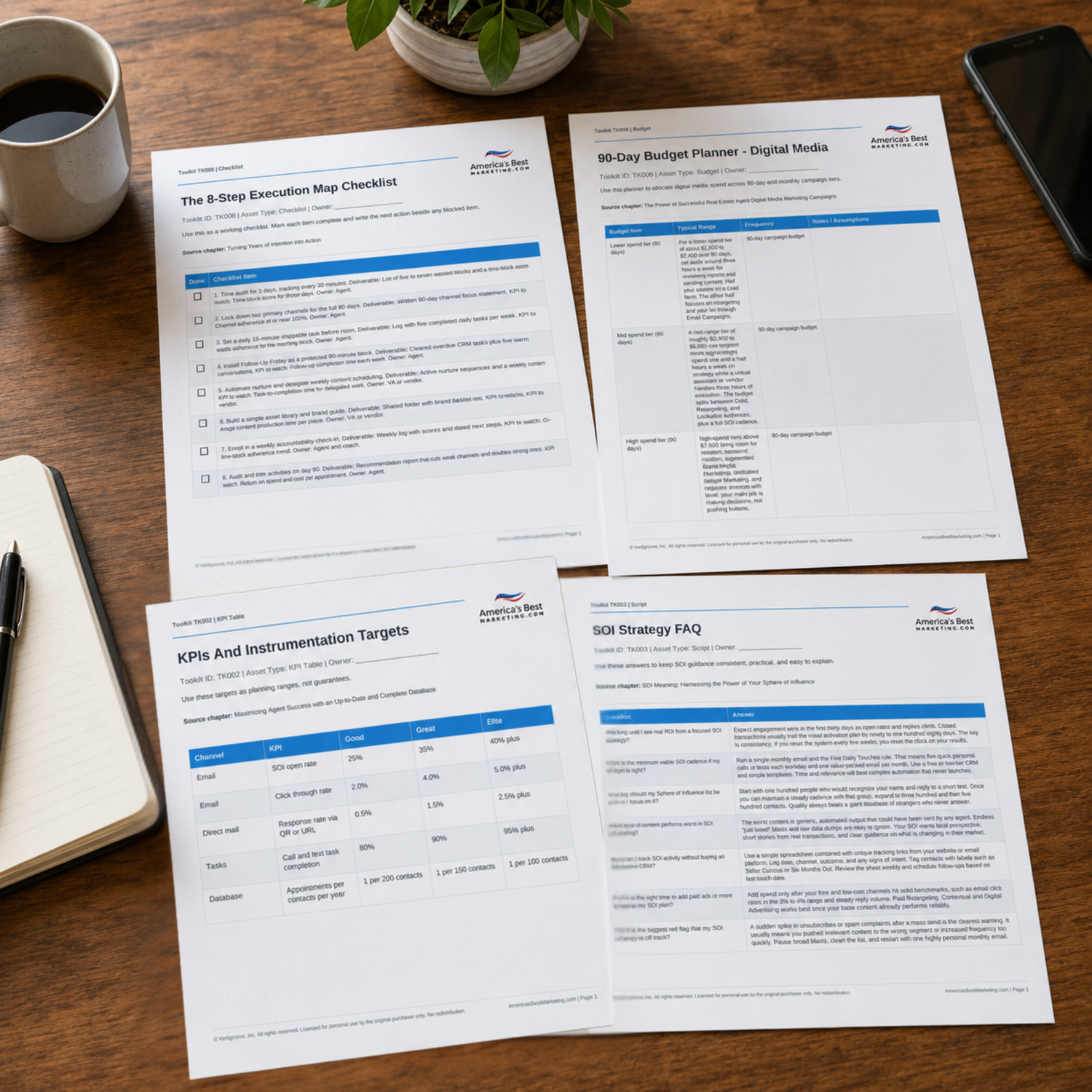
Download The Successful Open House Toolkit
Use the companion Toolkit for the ten-day checklist, budget tiers, buyer and neighbor promotion scripts, lead-capture planning, KPI tracking, compliance reminders, and follow-up workflow.
Download the Toolkit ZIPRecommended reads
Recommended Reads for Real Estate Agents
These articles help agents connect listing visibility, seller education, marketing channels, and follow-up into a clearer growth system.

Virtual Open Houses: Gear, Promotion, Run-of-Show
Turn virtual open houses into a steady operating habit, not another item that waits for a quiet week.
Read article
The Pros and Cons of All-Cash Offers
Use the pros and cons of all-cash offers to create a stronger bridge between client education and real conversations.
Read article
Google Business Page Photos, Posts & Q&A: A 30-Minute Weekly Routine
Turn google business page photos, posts and qanda into a steady operating habit, not another item that waits for a quiet week.
Read article
The Art of Listening: Discovery Questions Real Estate Agents Can Use to Find the Real Need
Turn scattered contacts into a workable pipeline with scripts, tags, reminders, and response routines.
Read articleOpen House Questions Real Estate Agents Should Be Ready To Answer
What day and time works best for an open house?
The best window for most markets is a weekend afternoon, usually between one and four. That gives buyers time to stack several homes on the same route and avoids family morning and evening routines. Test both Saturday and Sunday over several months and watch which option brings more qualified conversations.
How many open house signs should I use without cluttering the area?
Aim for six to ten signs that clearly guide drivers from main roads toward the property. Place them at major turns and near busy intersections, not every few feet. Focus on visibility and clarity instead of volume so neighbors and visitors feel informed rather than overwhelmed by signage.
What is the simplest way to handle sign in without slowing guests down?
Use a tablet with a short digital form that takes under thirty seconds to complete. Greet guests at the door, ask them to sign in so you can share property details and similar homes, and keep the station clear of clutter. A clear value trade keeps the line moving and avoids awkward pressure.
Should I offer food and drinks at every open house?
Simple refreshments are enough. Bottled water and small wrapped snacks create a welcome feel and give people a reason to pause and talk. Avoid messy food or anything that requires plates and utensils. The goal is a comfortable visit and focused attention on the property, not a full party.
How do I keep the event safe for the seller and their belongings?
Ask sellers to remove or secure valuables, personal documents, and medications before the event. Keep as many doors open as possible so you can see down hallways from central points. If the home is large or the traffic is heavy, bring a team member so one person can stay near the front door at all times.
What should I measure to know if my open house worked?
Track three numbers for every event. Count total guests, count verified contact records, and count actual appointments scheduled in the following two weeks. Those simple tallies show whether your scripts, promotion, and follow-up are turning traffic into real business rather than just busy hours.
How do I follow up with neighbors without sounding pushy?
Send a short note that thanks them for stopping by and offers a simple update on how the open house went. Invite them to reach out if they want a private look at how this sale may affect their own plans. Curiosity and data feel helpful, while heavy pressure to list right now pushes people away.
Next step
Build the System Behind the Event
Continue from one successful open house into the larger ABM ecosystem: the book series for strategic depth and the full marketing program for done-for-you execution.

View the Book Series
Explore the America’s Best Real Estate Agent Marketing System books for a deeper strategic framework around visibility, referrals, listings, lead generation, and growth.
View the Book Series
See Full Marketing Program
See how AmericasBestMarketing.com runs real estate blog writing, social media, listing marketing, email, direct mail, and retargeting as one managed system.
See Full Marketing Program