27 Summer Real Estate Marketing Ideas for Agents
27 Summer Real Estate Marketing Ideas for Agents
A 12-Week Framework for Visibility, Listings, and Fall Pipeline
A practical summer campaign brief for agents who want open houses, local content, client touches, direct mail, email, and follow-up to work as one coordinated system.

The Summer Campaign Formula That Turns Activity Into Pipeline
Choose one audience, one offer, and three channels that reinforce the same message for twelve weeks. Use the 27 ideas in this brief as a campaign menu, then track replies, calls, registrations, form fills, and appointments. Summer marketing works when each open house, email, local post, mail piece, and follow-up conversation points toward the same next step.
- Do not run all 27 ideas at once. Select a small group that supports one audience and one measurable offer.
- Use email, social content, and direct mail or a local event as the core three-channel mix for most seasonal campaigns.
- Track meaningful responses before vanity metrics, including replies, calls, registrations, form fills, and booked appointments.
- Repeat the strongest plays long enough to build recognition and carry summer visibility into a stronger fall pipeline.
Why Summer Marketing Needs A Campaign, Not A Checklist
Summer gives real estate agents a short, high-visibility window to create conversations with buyers, sellers, past clients, and local homeowners. It can also create the illusion of momentum. Agents host open houses, post listings, attend events, and answer buyer questions, yet many of those activities never connect to a campaign or a reliable follow-up path.
The strongest summer plan does three things at once. It keeps your sphere warm, gives homeowners a reason to discuss timing and value, and turns every local event or listing moment into a repeatable touchpoint. Focused event plays such as 30 Summer Event Ideas for Real Estate Agents to Engage Clients, SOI, and Build Community work best when they connect to the same offer and follow-up system as the rest of your marketing.
For most agents, the most manageable core mix is Email Marketing for Real Estate Agents, Social Media Marketing, and either Direct Mail or a local client event. The channels support each other, and every response points back to the same audience and offer instead of disappearing into disconnected activity.
- Choose one audience you can reach consistently, such as move-up sellers, first-time buyers, past clients, or homeowners in one farm.
- Choose one offer that creates a natural next step, such as a value review, buyer consultation, neighborhood guide, or event invitation.
- Choose three channels that repeat the same message and make follow-up easier to manage.
27 Summer Real Estate Marketing Ideas You Can Put Into Rotation
Use this list as a campaign menu, not a random checklist. Pick the ideas that match your market, price point, listings, audience, and available time. Then repeat the best performers instead of changing direction every week.
Create immediate property conversations
- Summer open house series. Brand several open houses around one neighborhood, price band, or lifestyle theme. Track sign-ins, neighbor conversations, and follow-up appointments.
- Cold drinks at open houses. Offer water, iced tea, or cold brew in a simple branded setup. Promote the refreshment in social posts and open house reminders.
- Outdoor space showcase. Feature patios, decks, yards, pools, gardens, shade, and views. Summer buyers respond quickly to features they can imagine using immediately.
- Homeowner maintenance checklist. Send a one-page summer checklist covering HVAC filters, irrigation, pest checks, roofline issues, and yard upkeep.
- Neighborhood summer guide. Create a short guide to parks, trails, pools, farmers markets, beaches, or local events. Pair it with a lead capture form on your website.
Turn seasonal movement into useful guidance
- Summer market update. Share a focused update on inventory, price movement, showing activity, and what summer timing means for buyers and sellers.
- Client photo event. Host a small photo session at a park, waterfront, or downtown location. Invite past clients and encourage them to bring a friend.
- Ice cream shop pop-by. Drop off small gift cards or handwritten notes to your strongest past clients and referral sources.
- Backyard contest. Run a simple best patio, backyard, garden, or balcony contest. Use entries as a way to create local engagement and homeowner conversations.
- Weekly summer hot sheet. Send a short weekly email with new listings, price changes, open houses, and one local market note.
Give homeowners a reason to respond
- Seller price check offer. Offer homeowners a quick summer value review. Keep the offer direct, low pressure, and tied to a simple appointment path.
- Local event sponsorship. Sponsor a concert, market, sports camp, or community gathering only when you have a capture plan for names and follow-up.
- Three-piece direct mail series. Send a summer market card, homeowner checklist, and proof-focused listing story to the same farm.
- Sunset showing slots. Promote evening tour times for listings where light, views, patios, or outdoor space create emotional value.
- Relocation spotlight. Share stories about why buyers move into your area during summer and which neighborhoods fit different goals.
Build repeatable local and listing content
- Backyard improvement mini series. Post simple improvements that can lift perceived value, such as lighting, shade, landscaping, paint, and staging.
- School-calendar content. Build posts and emails around move timing, local calendar pressure, and family planning without using exclusionary language.
- Referral thank-you drive. Call past referrers, thank them directly, and let them know what happened after their introductions.
- First-time buyer workshop. Host a short summer session on getting ready to buy in the next ninety days.
- Local business highlights. Feature one local business each week and ask them to share the post with their audience.
Connect education to the next step
- Weekend event roundup. Publish a Thursday list of free or low-cost local events and invite readers to ask about neighborhoods nearby.
- Move-up math content. Show realistic examples of how owners can think about selling, buying, equity, payment ranges, and timing.
- Investor or second-home update. Send one focused update on seasonal demand, regulations, insurance, and carrying costs.
- Sphere call block. Set one weekly block for eight to ten relationship calls. Ask about summer plans, home goals, and market questions.
Close the season with proof and follow-up
- Testimonial refresh. Ask recent clients for short reviews that explain the problem solved, not just that you were pleasant to work with.
- Listing launch countdown. Build three to five days of teaser content before a strong listing hits the market.
- End-of-summer recap. Publish what changed in inventory, buyer behavior, and seller timing, then invite homeowners to request a private review.
Most agents lose leverage when every summer activity stands alone. A homeowner should see the same theme in your mail, email, social content, and follow-up calls. Repetition across channels is what turns a seasonal idea into recognizable market presence.
The 12-Week Summer Marketing Framework
A useful summer campaign needs enough structure to protect your time without becoming complicated. Start with one target audience, one core message, and one measurable conversion goal such as valuation requests, buyer consultations, open house registrations, or referral conversations.
- Choose one primary audience such as move-up sellers, first-time buyers, past clients, or homeowners in one farm.
- Choose three channels from email, social, direct mail, events, open houses, and paid traffic.
- Map twelve weekly themes so each channel reinforces the same message.
- Create one simple landing or response path for people who want the checklist, guide, hot sheet, or consultation.
- Block weekly time to review opens, clicks, replies, calls, form fills, and booked appointments.
- Keep the ideas that generate conversations and cut the ones that only create vanity activity.
Build the campaign foundation
Confirm the audience, offer, landing path, campaign language, and weekly production calendar. Prepare the first email, direct mail piece, social assets, and follow-up script before launch.
Use one clear promise across every channel so the campaign is easy to recognize and easy to measure.
Repeat the message with fresh proof
Keep the campaign theme stable while changing the proof. Add listing moments, client stories, local examples, market movement, event photos, and useful answers to common questions.
Review replies, clicks, calls, registrations, and appointments each week. Keep the ideas that create conversations.
Convert attention into fall pipeline
Use an end-of-summer recap, market update, value review, buyer planning session, or referral outreach block to turn seasonal visibility into a specific next step.
Document what worked so the strongest campaign elements can move directly into the next seasonal cycle.
Agents who struggle often do not lack ideas. They lack follow-through and measurement. That is one reason the business-survival issues covered in Why So Many Real Estate Agents Quit and How to Survive, Grow, and Thrive in Your First 5 Years matter. A simple operating rhythm protects the pipeline when the market gets busy.
Three Summer Script Frameworks You Can Use Today
Use these scripts to connect seasonal property features to a clear client benefit and a simple next step. Keep the opening specific, show the proof visually, and close with one action.
The Summer-Ready Listing Tour
Agent dialogue
Hook lineThis is the kind of outdoor space buyers wait for all year.
Build lineYou get shade, room to gather, and an easy flow back into the kitchen.
CTA lineSend me a message for the full list of summer-ready homes in this area.
Start outside with the strongest yard, patio, or view. Cut to the kitchen, living area, and primary room, then finish on the outdoor feature again.
The Summer Problem-To-Solution Reel
Agent dialogue
Hook lineIf your current home feels too tight every summer, watch this.
Build lineThis layout gives you better gathering space, more storage, and outdoor room that actually works.
CTA lineMessage me with summer in the note and I will send similar options.
Open with the problem your buyer or seller feels, reveal the feature that solves it, and close with one direct next step.
The Hidden Summer Feature
Agent dialogue
Hook lineMost buyers miss this feature on the first tour.
Build lineIt adds shade, storage, privacy, or flexibility without changing the main living space.
CTA lineFollow for more local buyer tips and hidden home features.
Approach the feature slowly, reveal the full space in one smooth move, and explain why it matters during summer.
Summer Budget And Time Targets
You do not need a huge budget to run a useful summer plan. You need a clear operating lane, a realistic time commitment, and a way to connect spend to conversations. Use these ranges as planning guidance, not a promise of results.
| Tier | Plan Summary | Monthly Spend | Execution Focus |
|---|---|---|---|
| Lean starter | One core list, one event, and weekly content. | $300 to $500 | Focus on one farm, weekly email, simple direct mail, and one in-person event across the season. |
| Standard | Two farms plus light paid traffic. | $700 to $1,200 | Layer retargeting, two mail drops each month, weekly email, and steady short-form video. |
| Growth mode | Multiple farms and heavier paid reach. | $1,500 to $2,500 | Run always-on retargeting, frequent mail, local events, and daily content with protected follow-up time. |
KPIs That Keep Summer Marketing Honest
Pick a short list of numbers and review them every week. For email, track opens, clicks, replies, and appointments. For social content, focus on saves, shares, comments, and direct messages tied to a property or question. For paid traffic such as Digital Retargeting, watch landing page visits, form fills, and cost per meaningful lead.
For mail, track web visits, calls, text replies, and listing conversations after each drop. For listing content, compare showing requests, open house sign-ins, and follow-up conversations. Connect the campaign to Listing Marketing and IDX Real Estate Websites so every touch has somewhere useful to land.
| Metric | What To Track | Review Cadence | Decision Rule |
|---|---|---|---|
| Email response | Opens, clicks, replies, and appointments | Weekly | Keep the message when replies and conversations rise. Tighten the offer when attention does not turn into action. |
| Social response | Saves, shares, comments, and direct messages | Weekly | Repeat topics people save or send. Stop rewarding reach that creates no local conversation. |
| Mail response | Calls, text replies, QR visits, and listing conversations | After each drop | Compare each drop against the same farm and offer before changing the audience. |
| Pipeline movement | Registrations, consultations, valuations, referrals, and appointments | Weekly and monthly | Scale only the channels that create repeatable conversations or booked next steps. |
Compliance You Cannot Ignore
Summer content often leans into lifestyle, events, schools, households, and neighborhoods. Keep your language focused on property features, local amenities, timing, and objective benefits for qualified buyers and sellers. Avoid wording that signals preference for or against protected groups.
For email, use clear sender identity, accurate subject lines, and a visible way to leave your list. Use permission-based contacts instead of scraped lists. Clean data, neutral language, and documented advertising relationships protect your brand while your visibility grows.
- Describe the property and the transaction, not the type of person you believe should live there.
- Use factual local information and avoid steering language in neighborhood or school-calendar content.
- Review brokerage, state, Fair Housing, advertising, and email requirements before publishing or promoting a campaign.
Mini Case: Four Connected Summer Plays
A solo agent could pair a weekly hot sheet email with a small client photo evening, one backyard contest, and a three-piece direct mail sequence in a tight farm. Each touch would point to the same offer: a quick summer value review or buyer consultation.
The advantage is focus. Instead of running 27 ideas at once, the agent runs four connected plays, tracks every response, and follows up while the conversation is still warm. Summer activity becomes a fall pipeline instead of a folder full of unused content.
Use the same discipline when a listing enters the campaign. A coordinated launch supported by Listing Marketing, email, social content, direct mail, and retargeting gives the property a clearer story and gives the agent more reasons to talk with nearby homeowners.
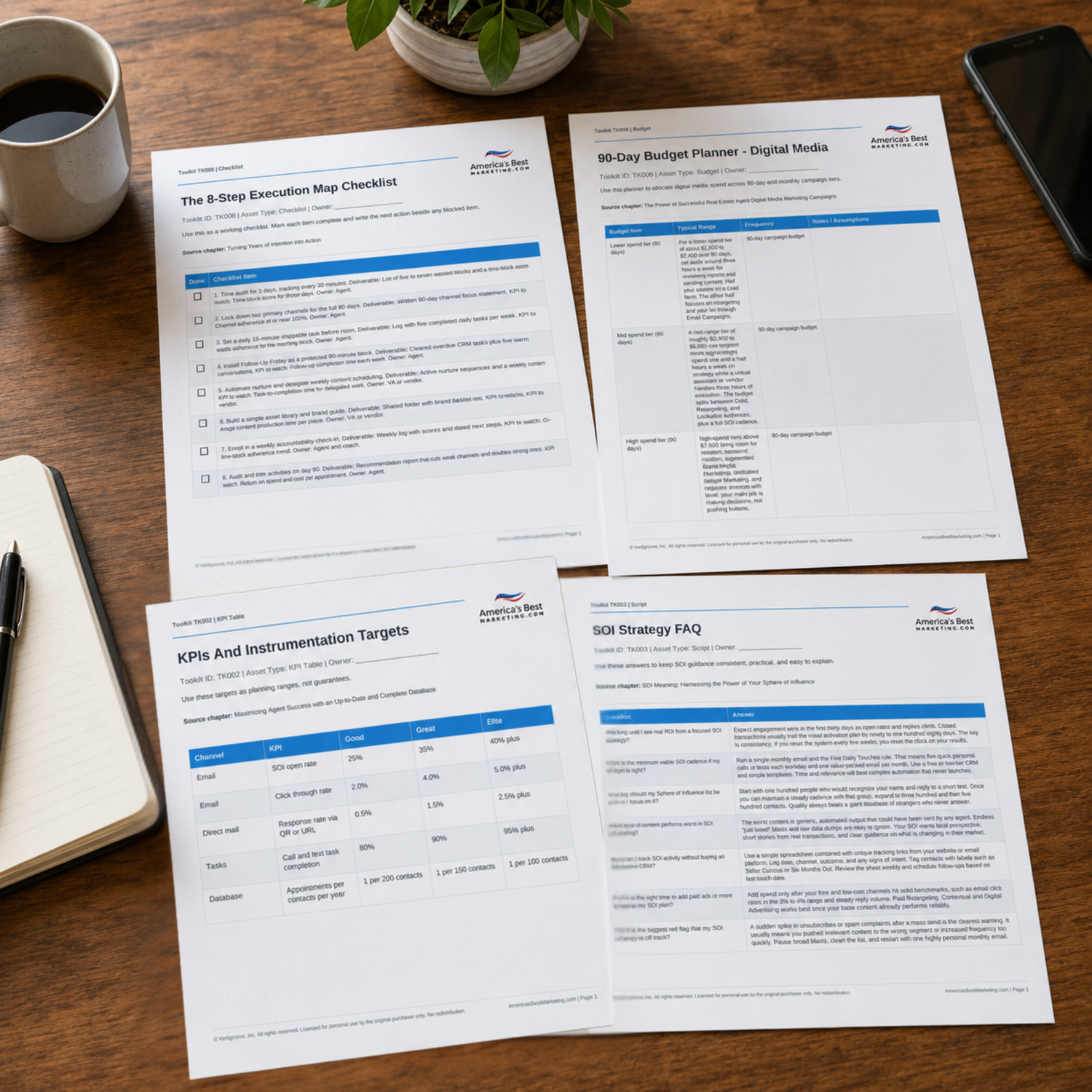
Download The Summer Marketing Toolkit
Turn the ideas into a working campaign with the companion summer marketing guide, planning checklist, budget worksheet, quick-answer FAQ, and three script resources for practical seasonal content.
Download the Toolkit ZIPRecommended reads
Recommended Reads for Real Estate Agents
These articles help agents connect follow-up discipline, database habits, client communication, and marketing execution into a repeatable system.

25 Proven Fall Real Estate Marketing Ideas for Real Estate Agents
Make 25 proven fall real estate marketing ideas easier to plan, publish, and measure as part of a weekly marketing rhythm.
Read article
HOA Navigation for Real Estate Agents: Red Flags, Document Requests, and Buyer Scripts
Give hoa navigation a clearer role in the marketing system instead of treating the work as a one-off idea.
Read article
Mastering Real Estate Niche Marketing Ideas: A Guide for Investors to Empty Nesters
Turn personal brand work into a system clients can notice, remember, and trust.
Read article
25 Proven Real Estate Marketing Ideas for Spring
Make 25 proven real estate marketing ideas for spring more useful by tying the message, audience, and next step together.
Read articleSummer Real Estate Marketing Questions Agents Should Be Ready To Answer
How long does it take to see results from summer marketing?
Early signals such as replies, clicks, conversations, and event registrations can appear within a few weeks. Listing appointments and closings usually take longer because real estate decisions require timing, trust, and follow-up.
What is the minimum summer marketing plan for a busy agent?
Start with one weekly email, one social post tied to listings or local value, one monthly client touch, and one clear offer. A simple plan you repeat will beat a complicated plan you abandon.
How large should my summer farm be?
Most agents should start with a tight farm they can afford to touch consistently. A smaller audience with repeated contact usually performs better than a large area that only hears from you once.
Which summer marketing ideas work best for sellers?
Seller price checks, homeowner checklists, direct mail, market updates, testimonial refreshes, and listing launch content are usually the strongest starting points for seller-focused campaigns.
Which summer marketing ideas work best for buyers?
Buyer hot sheets, neighborhood guides, open house series, sunset showing slots, first-time buyer workshops, and outdoor feature tours can help buyers take the next step.
What should I track each week?
Track emails sent, opens, clicks, replies, calls, forms, open house sign-ins, event registrations, and appointments. Keep the dashboard simple enough that you will actually use it.
When should I increase my summer marketing budget?
Increase spend only after a channel produces repeatable conversations or appointments. Scale in small steps and keep watching the cost per meaningful lead or booked appointment.
Next step
Turn Summer Ideas Into A Managed Marketing System
Continue from one seasonal campaign into the larger AmericasBestMarketing.com ecosystem: the book series for strategic depth and the full marketing program for done-for-you execution.

View the Book Series
Explore the America’s Best Real Estate Agent Marketing System books for a deeper strategic framework around visibility, referrals, listings, lead generation, and growth.
View the Book Series
See Full Marketing Program
See how AmericasBestMarketing.com runs real estate blog writing, social media, listing marketing, email, direct mail, and retargeting as one managed system.
See Full Marketing Program